Showing 1–65 of 170 results
-
In stockFree UK Delivery*Original price was: £133.31.£100.78Current price is: £100.78.
-
In stockFree UK Delivery*Original price was: £198.78.£166.97Current price is: £166.97.
-
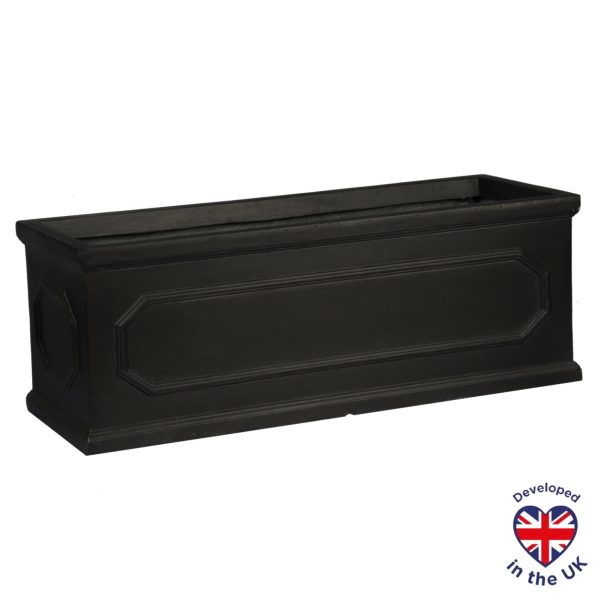
Faux Lead Concrete Trough Garden Planter H30 L60 W30 cm, 54 ltrs Cap.
In stockFree UK Delivery*Original price was: £79.74.£56.93Current price is: £56.93. -
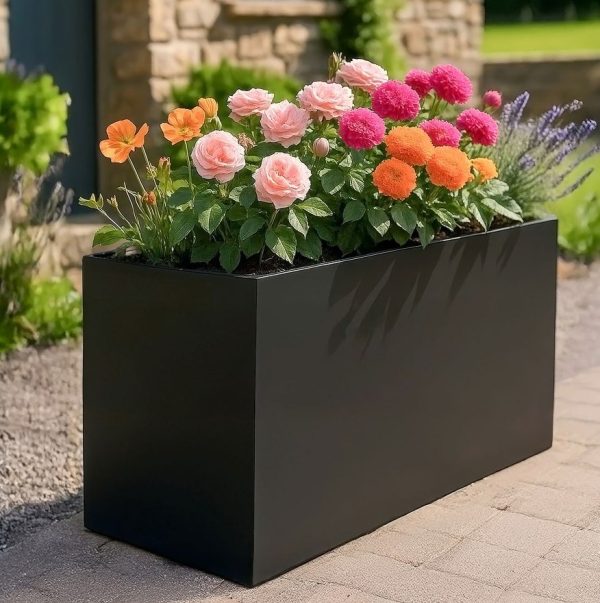
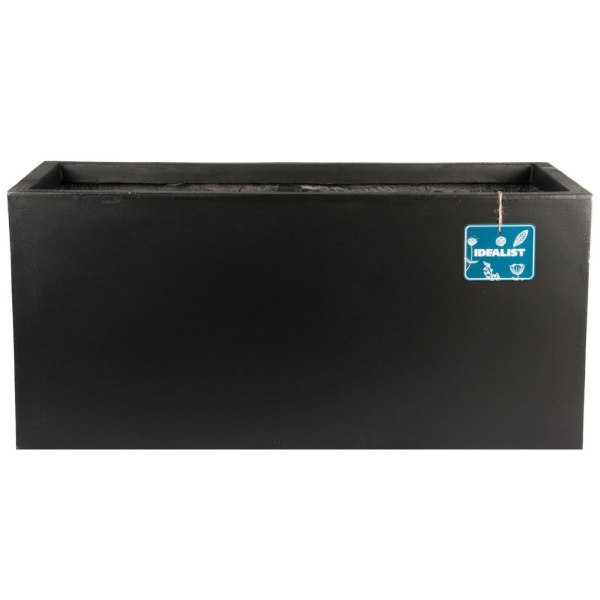
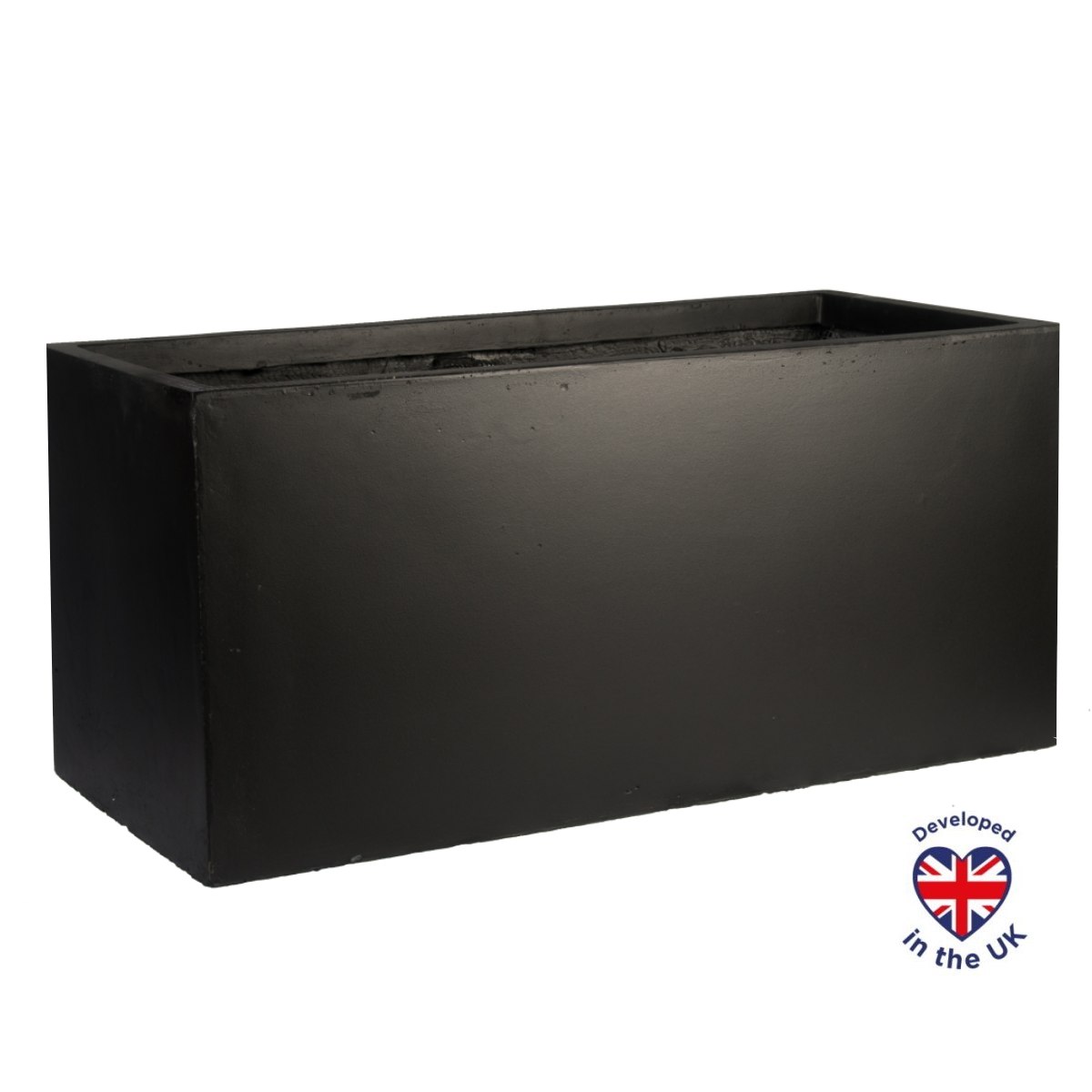
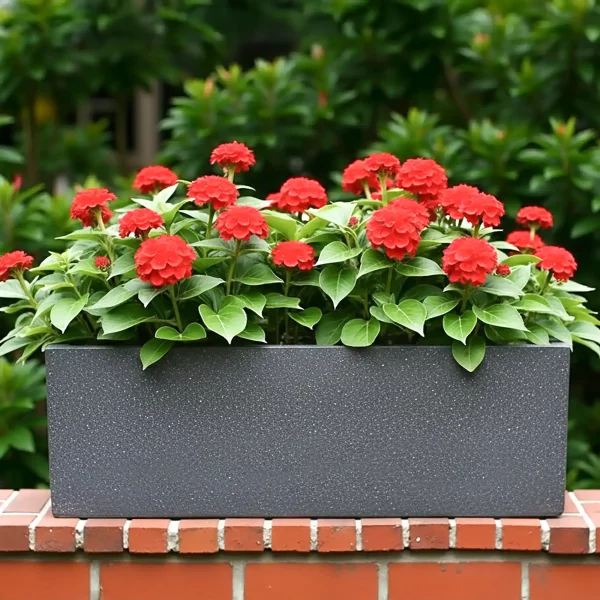
Black Light Concrete Trough Garden Planter H41 L85 W26 cm, 91 ltrs Cap.
In stockFree UK Delivery*Original price was: £144.03.£96.78Current price is: £96.78. -
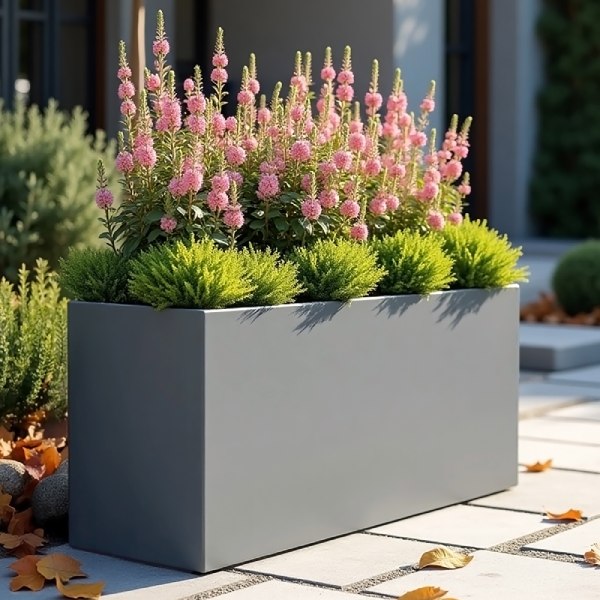
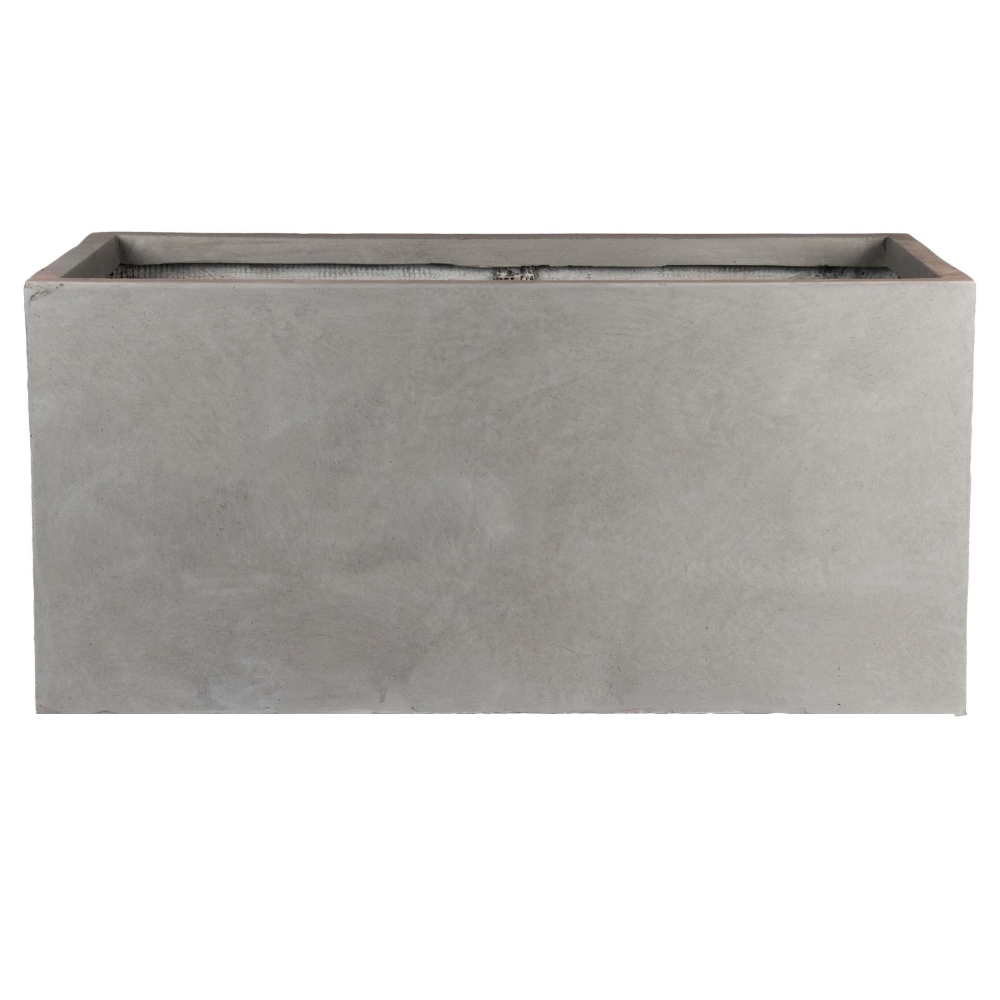
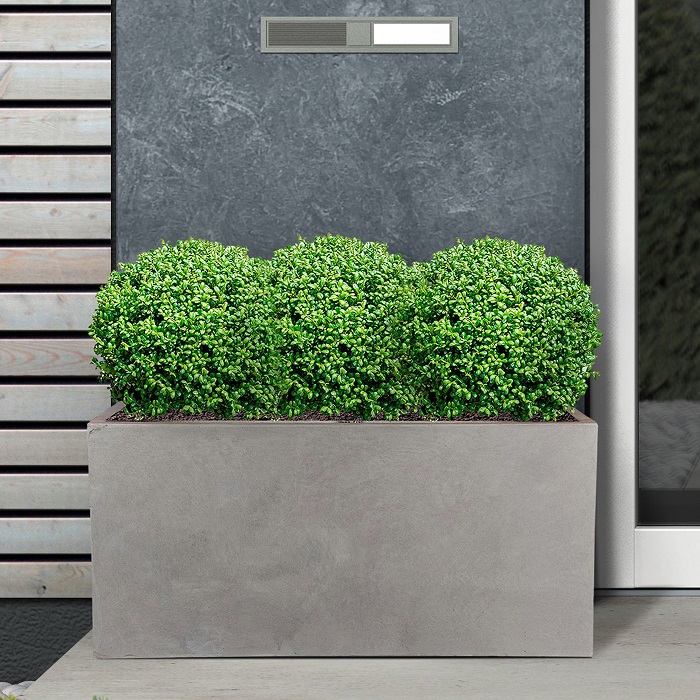
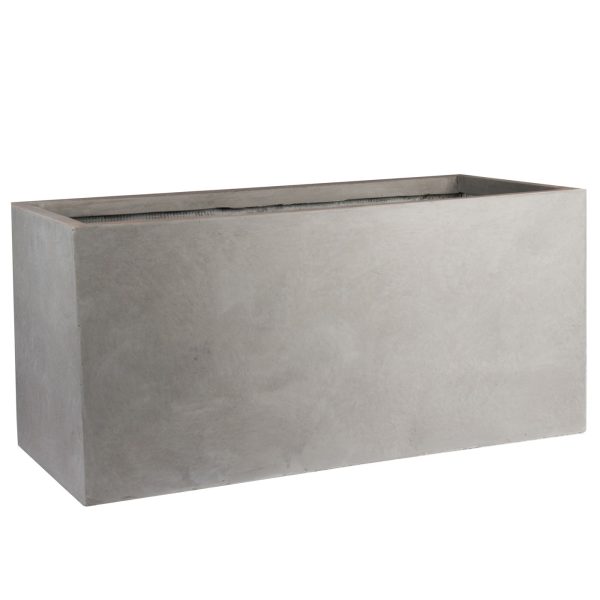
Light Concrete Grey Trough Garden Planter H41 L85 W26 cm, 91 ltrs Cap.
In stockFree UK Delivery*Original price was: £139.26.£93.58Current price is: £93.58. -
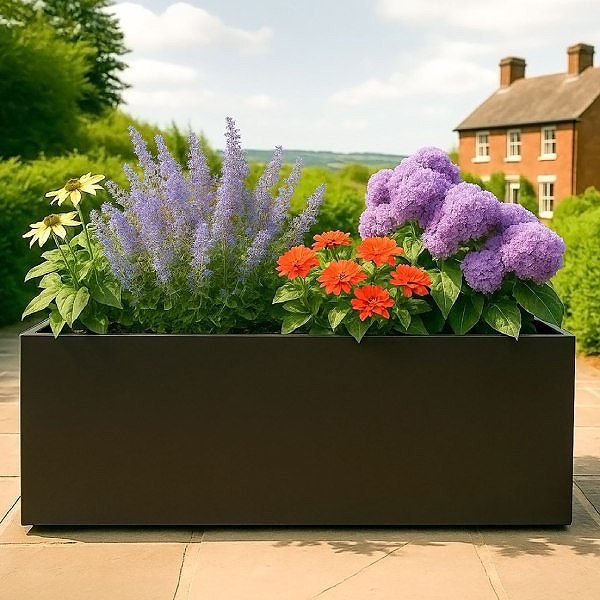
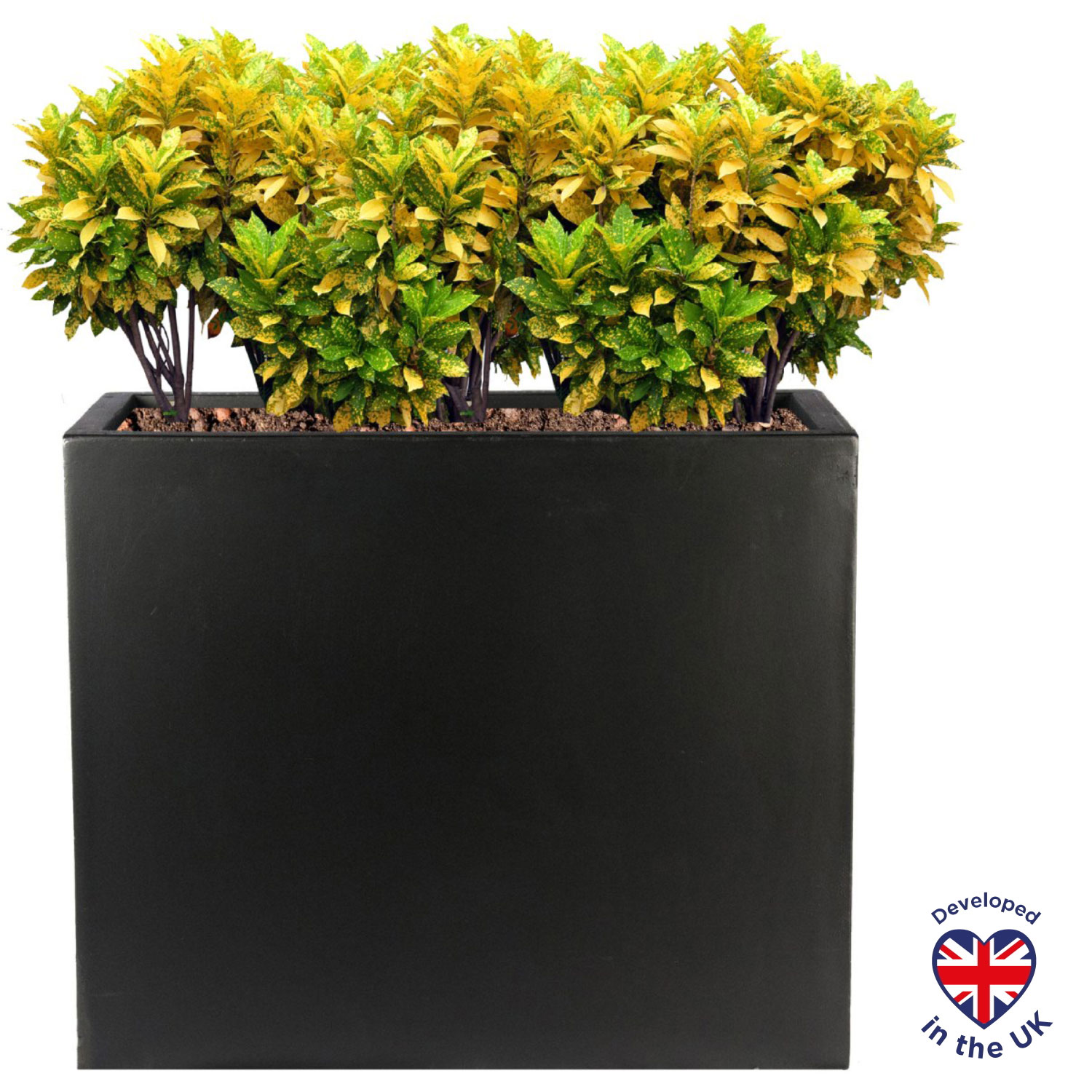
Black Light Concrete Trough Garden Planter H37.5 L80 W37 cm, 111 ltrs Cap.
In stockFree UK Delivery*Original price was: £144.03.£120.98Current price is: £120.98. -
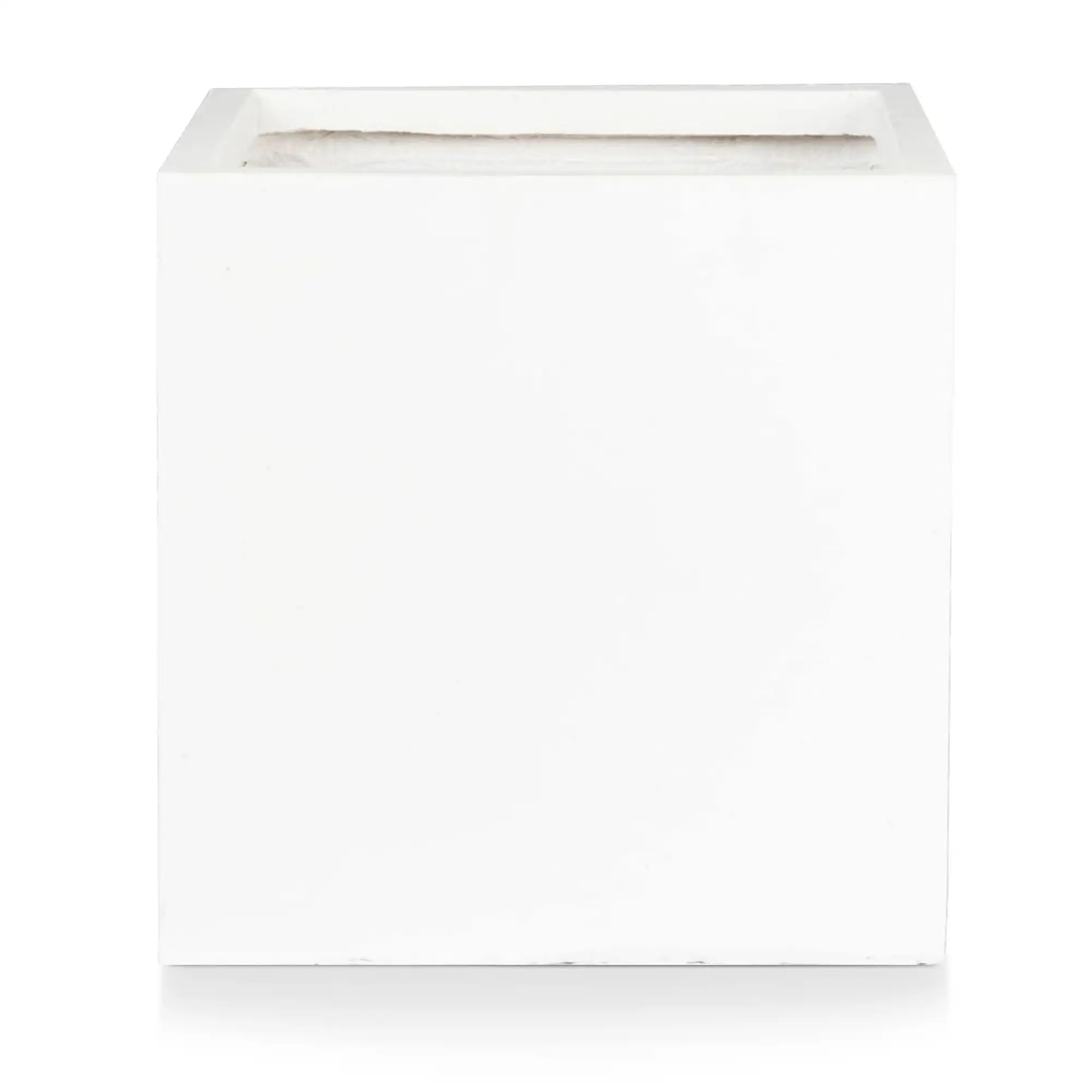
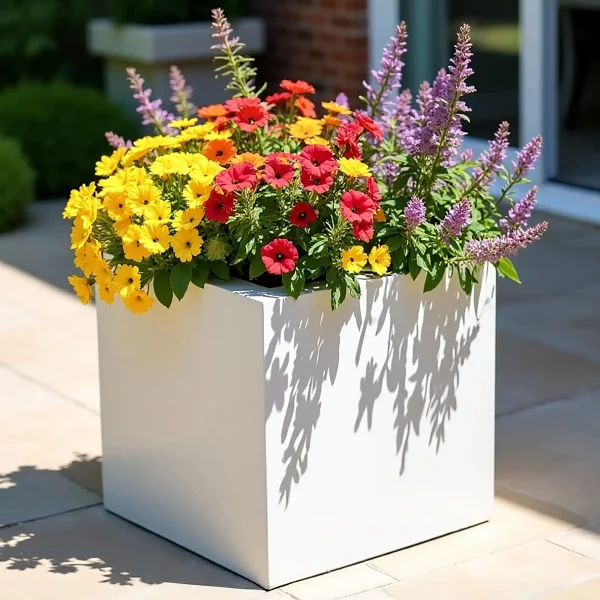
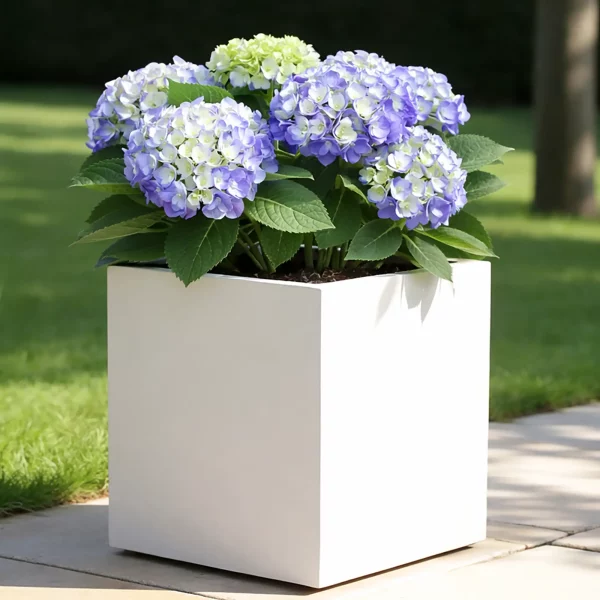
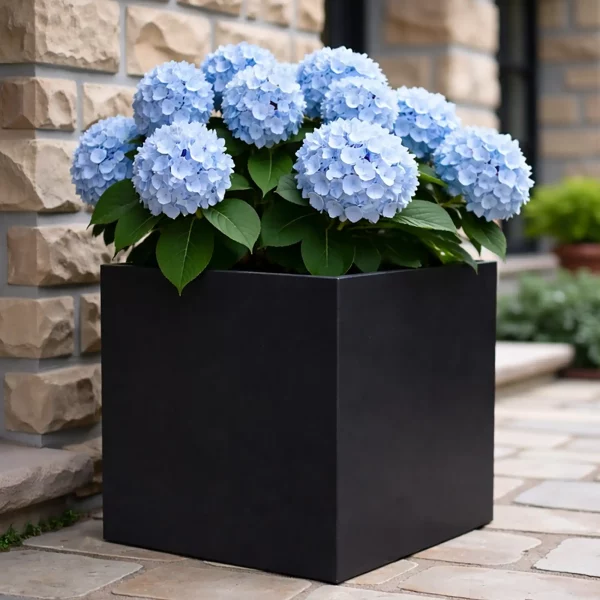
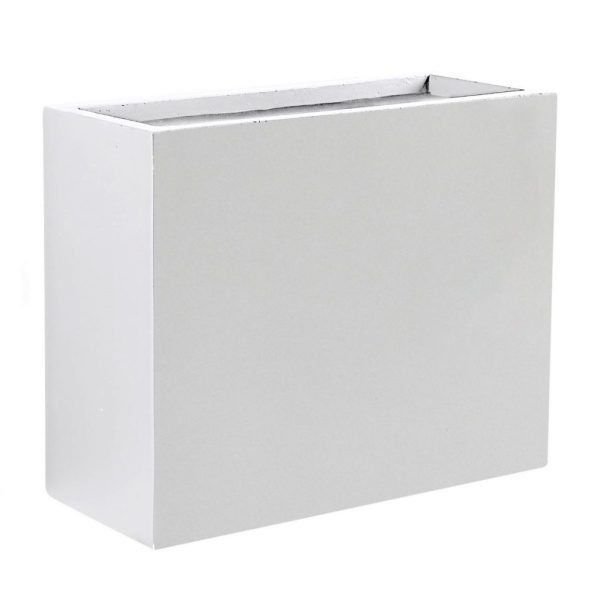
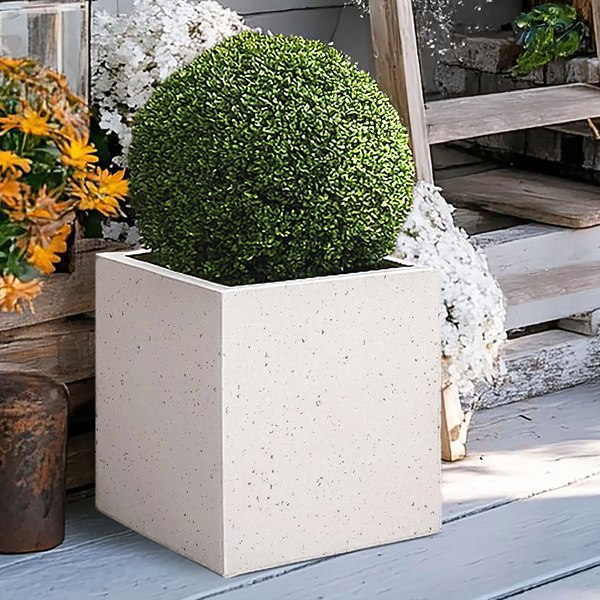
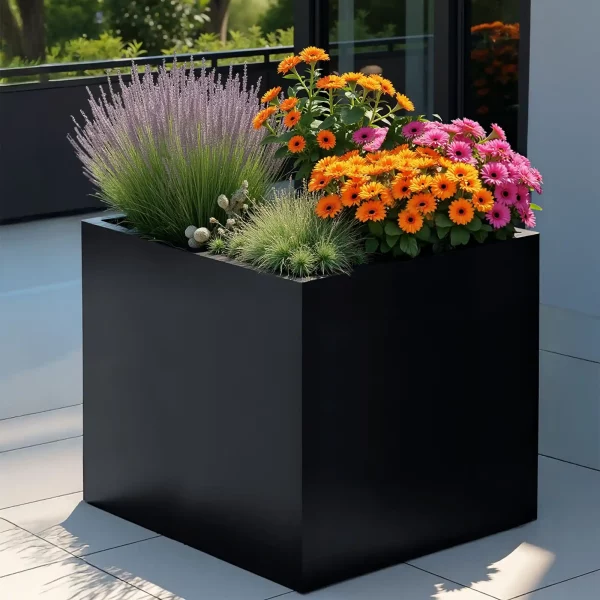
Square Box White Light Concrete Garden Planter H40 L40 W40 cm, 65 ltrs Cap.
In stockFree UK Delivery*Original price was: £84.51.£70.99Current price is: £70.99. -
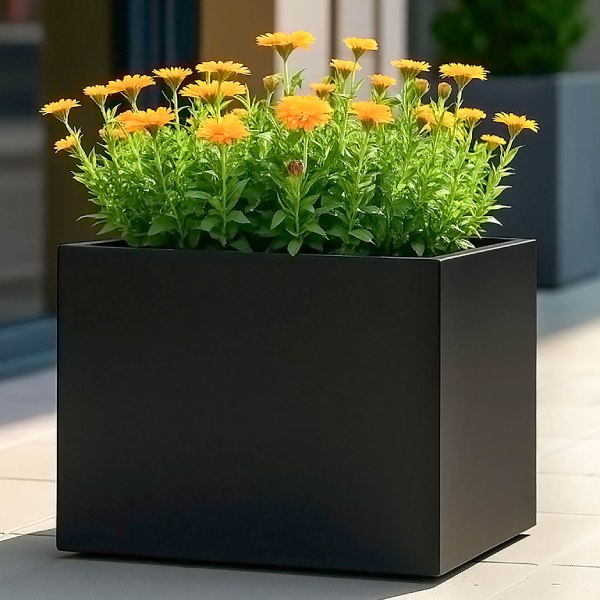
Light Concrete Black Trough Garden Planter H40 L50 W20 cm, 40 ltrs Cap.
In stockFree UK Delivery*Original price was: £70.22.£50.13Current price is: £50.13. -
Square Box White Light Concrete Garden Planter H30 L30 W30 cm, 27 ltrs Cap.
In stockFree UK Delivery*Original price was: £52.37.£43.99Current price is: £43.99. -
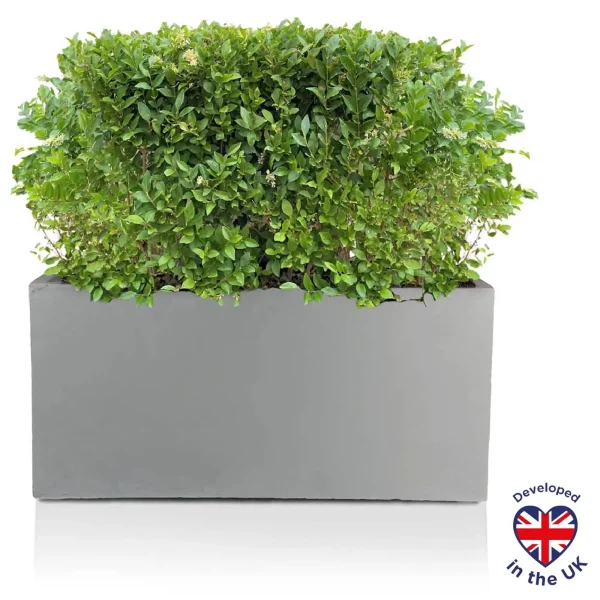
Grey Light Concrete Trough Garden Planter H37.5 L80 W37 cm, 111 ltrs Cap.
In stockFree UK Delivery*Original price was: £144.04.£120.99Current price is: £120.99. -
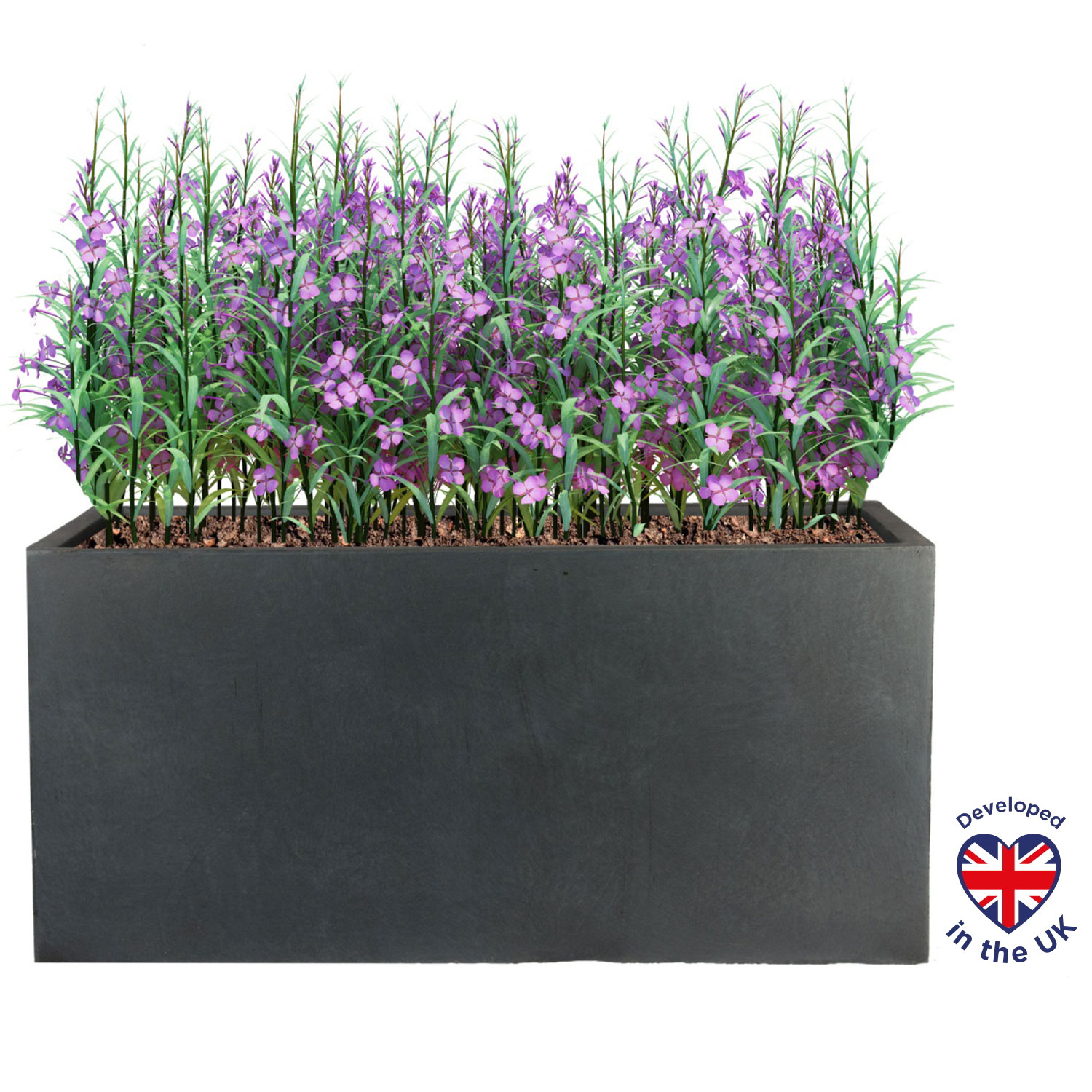
Black Light Concrete Trough Garden Planter H30 L65 W19 cm, 37 ltrs Cap.
In stockFree UK Delivery*Original price was: £69.03.£57.98Current price is: £57.98. -
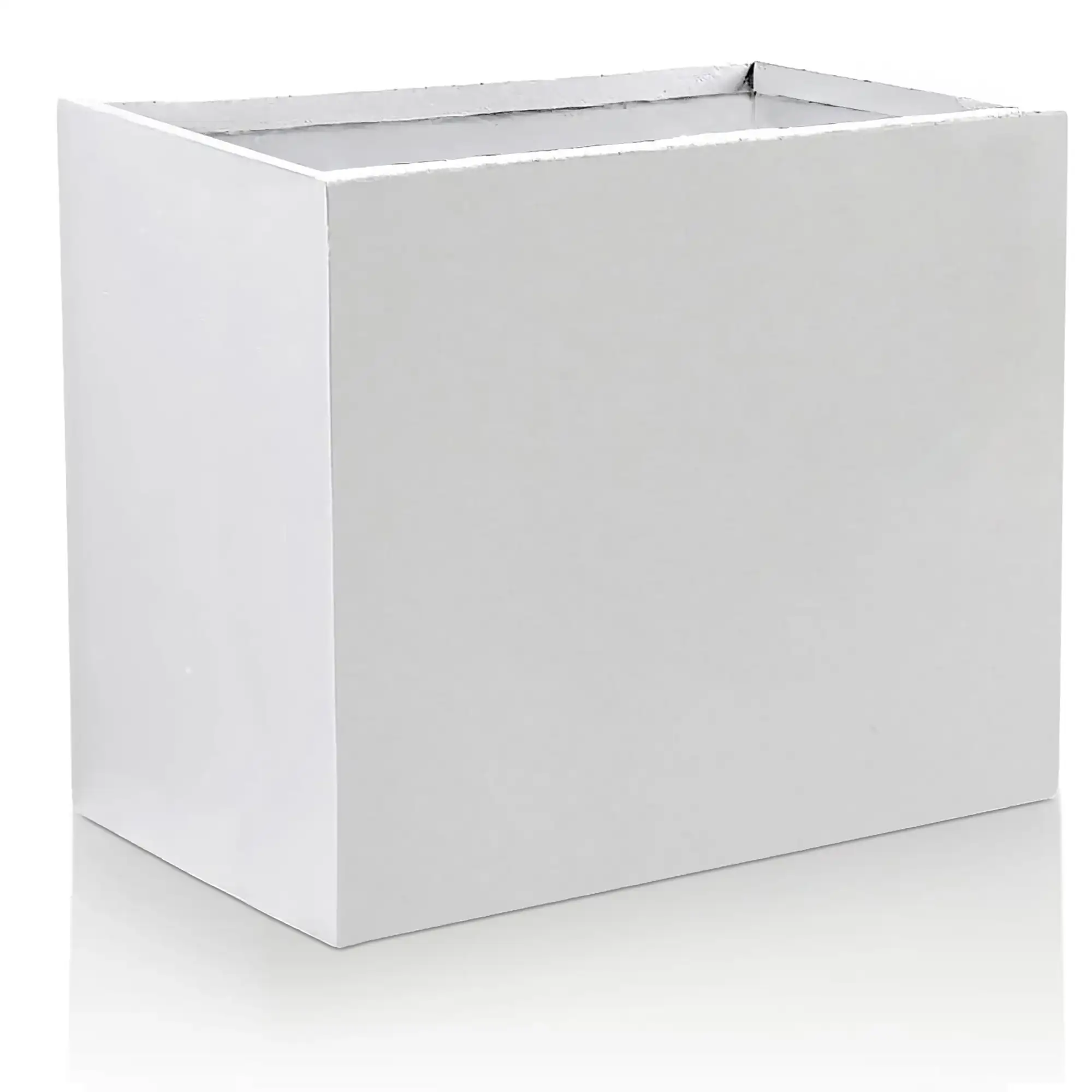
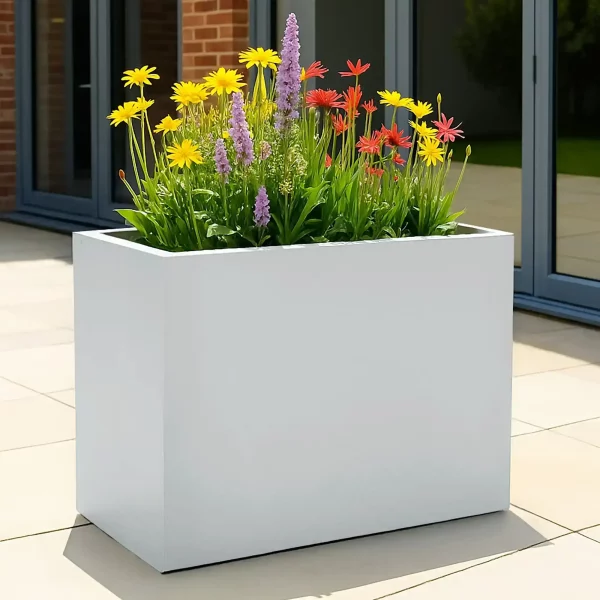
Narrow Light Concrete White Trough Planter H50.5 L60 W30 cm, 91 ltrs Cap.
In stockFree UK Delivery*Original price was: £113.08.£94.98Current price is: £94.98. -
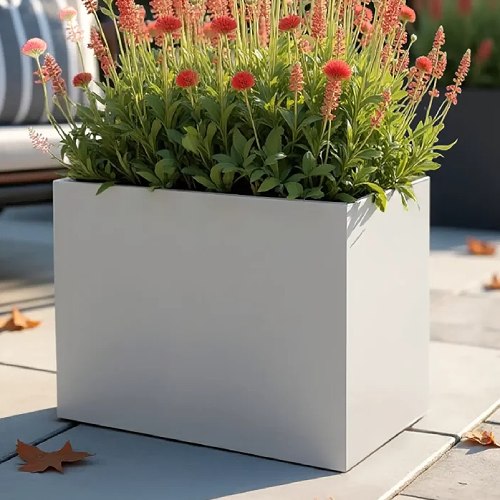
White Light Concrete Trough Garden Planter H41 L85 W26 cm, 91 ltrs Cap.
In stockFree UK Delivery*Original price was: £151.17.£107.93Current price is: £107.93. -
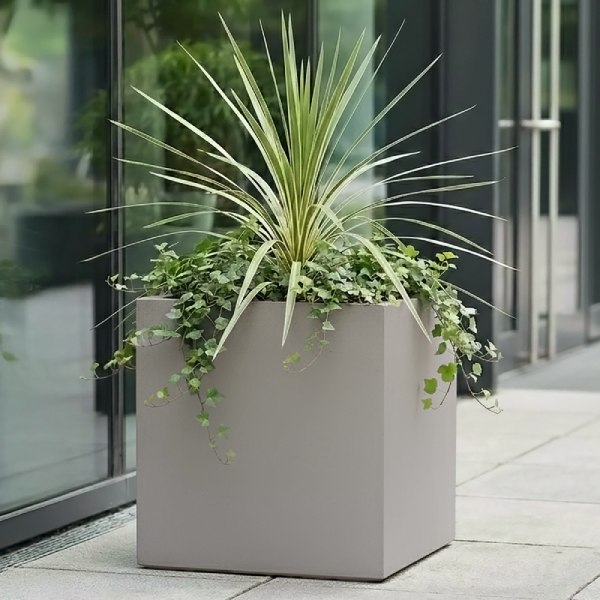
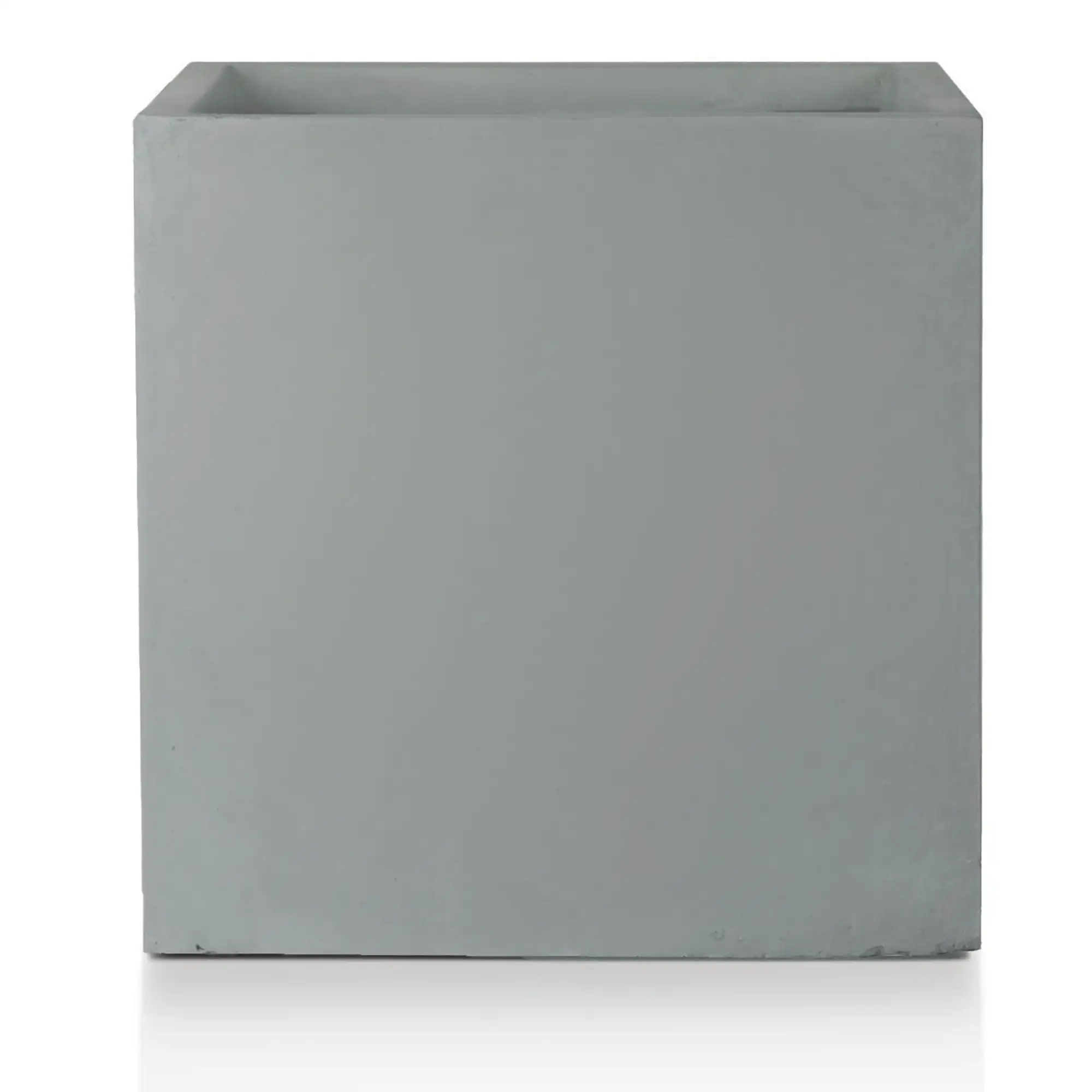
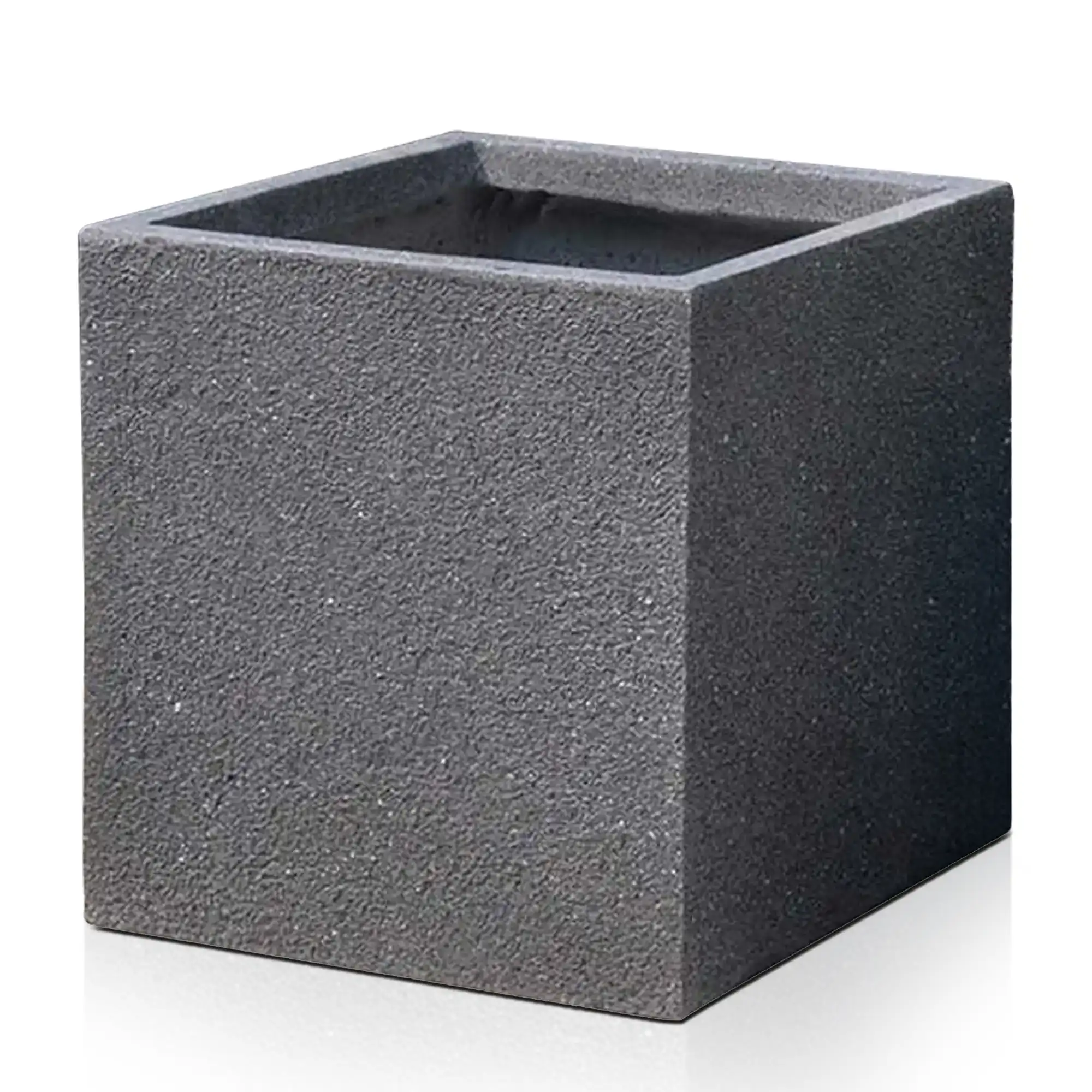
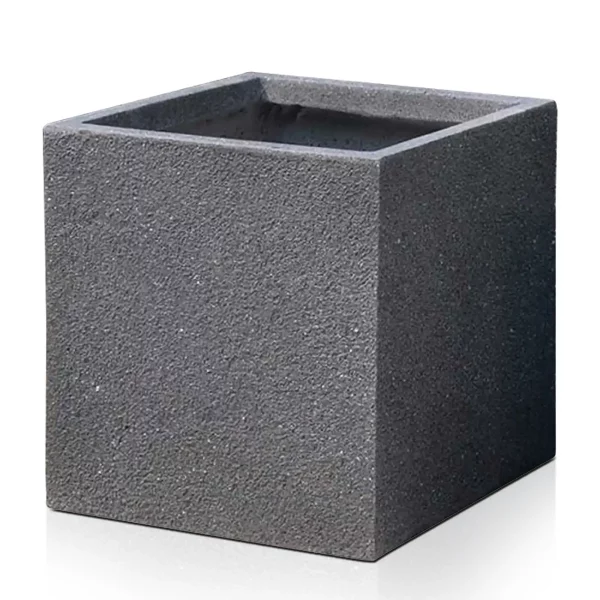
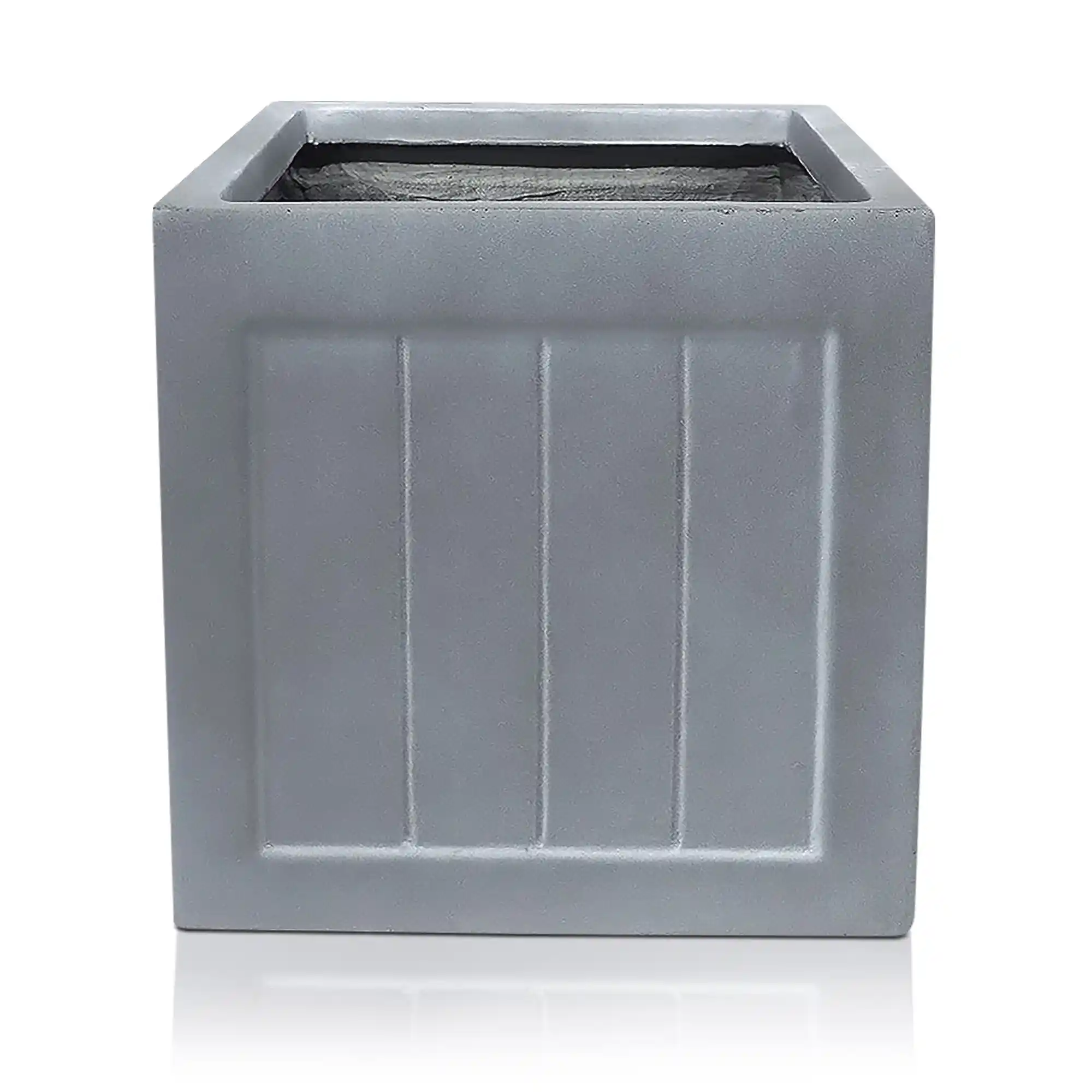
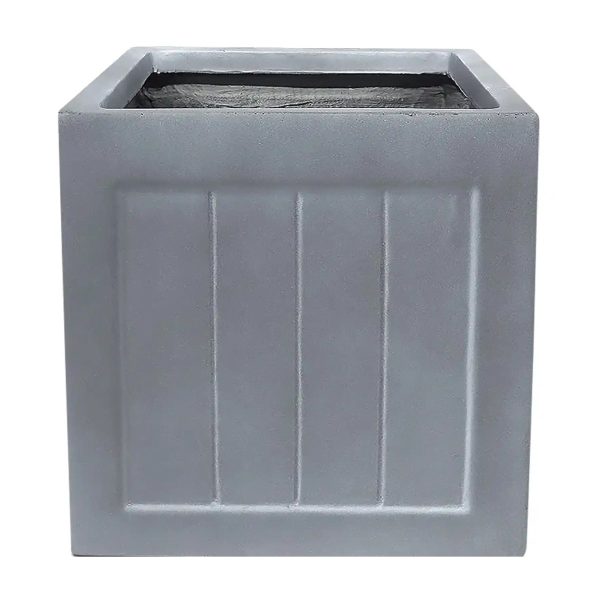
Square Box Grey Light Concrete Garden Planter H40 L40 W40 cm, 65 ltrs Cap.
In stockFree UK Delivery*Original price was: £84.51.£70.99Current price is: £70.99. -
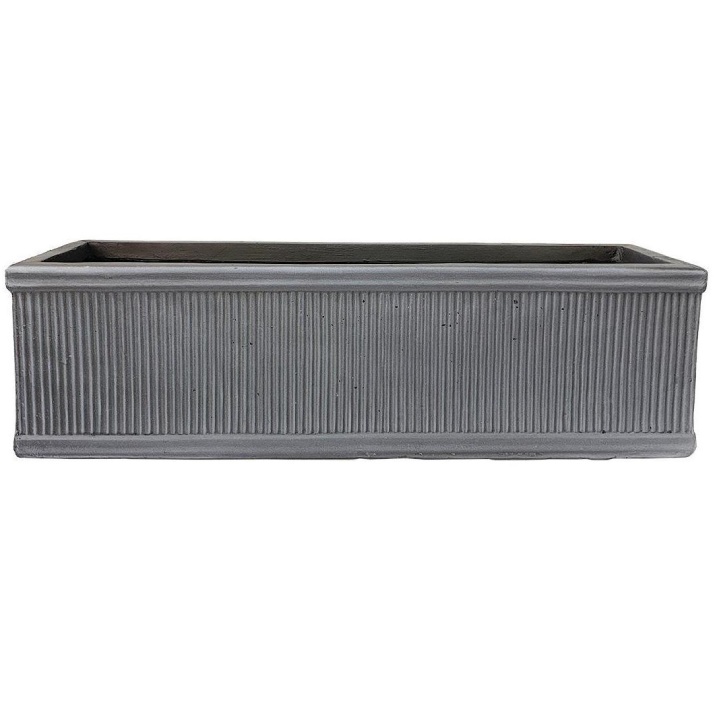
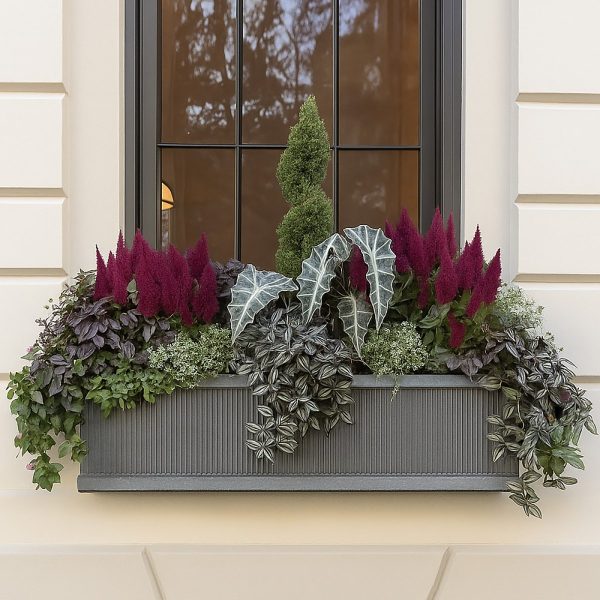
Vertical Ribbed Vintage Style Grey Window Box Garden Planter H17 L60 W17 cm, 17 ltrs Cap.
In stockFree UK Delivery*Original price was: £47.60.£35.98Current price is: £35.98. -
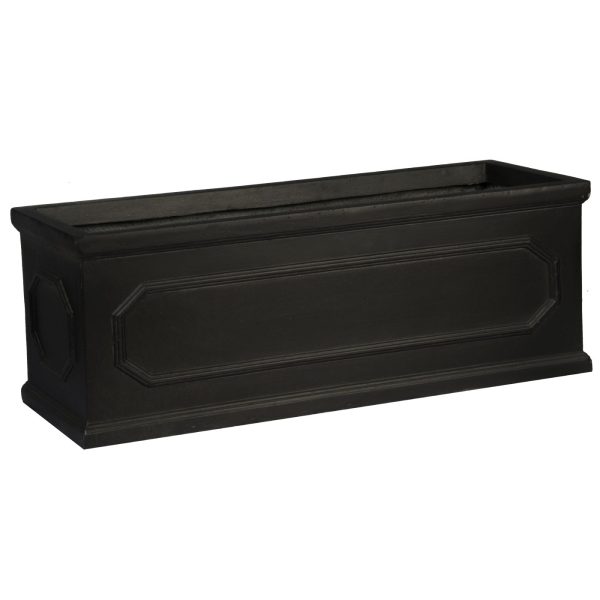
Faux Lead Chelsea Window Box Light Stone Garden Planter W22 H22 L60 cm, 29 ltrs Cap.
In stockFree UK Delivery*Original price was: £70.22.£58.98Current price is: £58.98. -
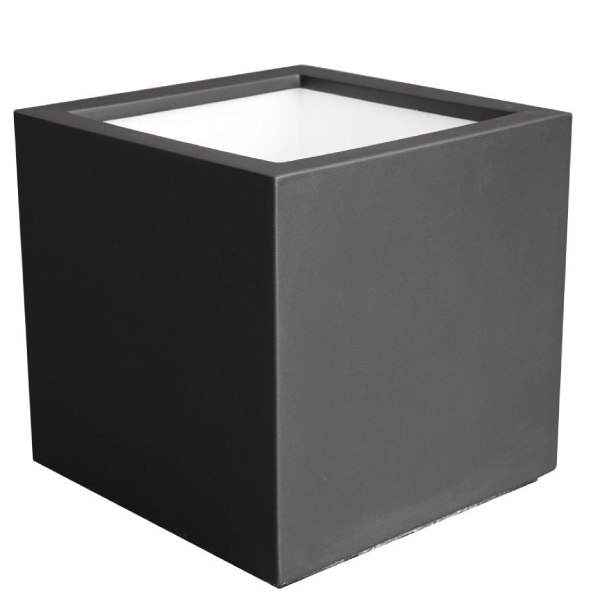
Square Box Black Light Concrete Garden Planter H30 L30 W30 cm, 27 ltrs Cap.
In stockFree UK Delivery*Original price was: £52.37.£43.99Current price is: £43.99. -
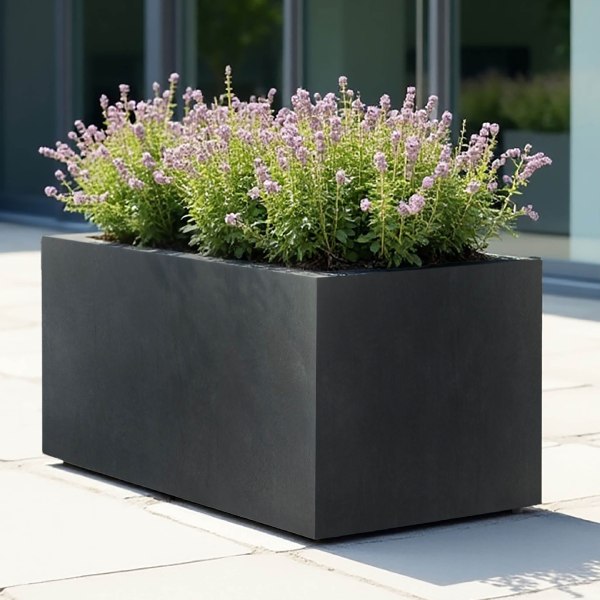
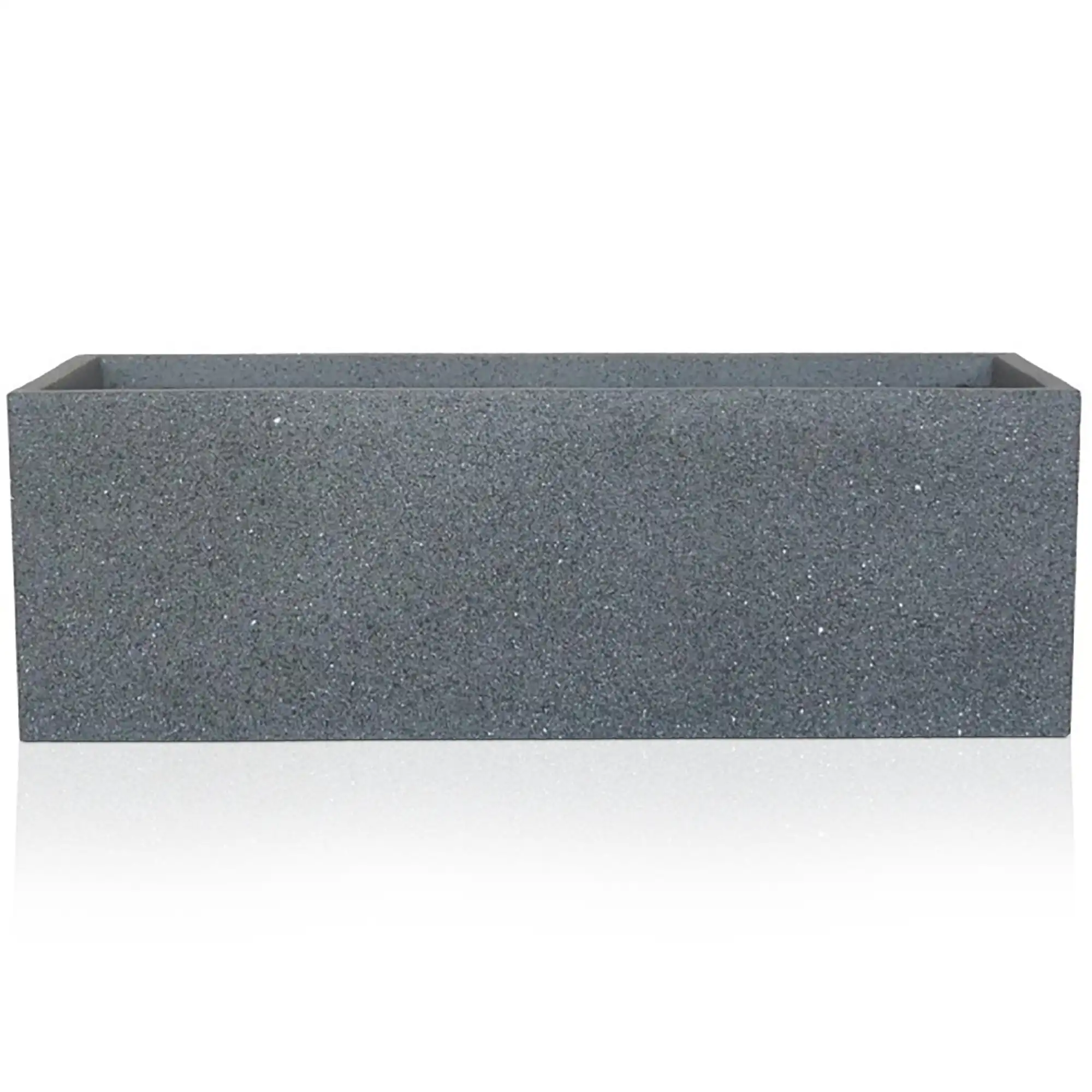
Grey Light Concrete Trough Garden Planter H30 L60 W30 cm, 54 ltrs Cap.
In stockFree UK Delivery*Original price was: £79.74.£66.99Current price is: £66.99. -
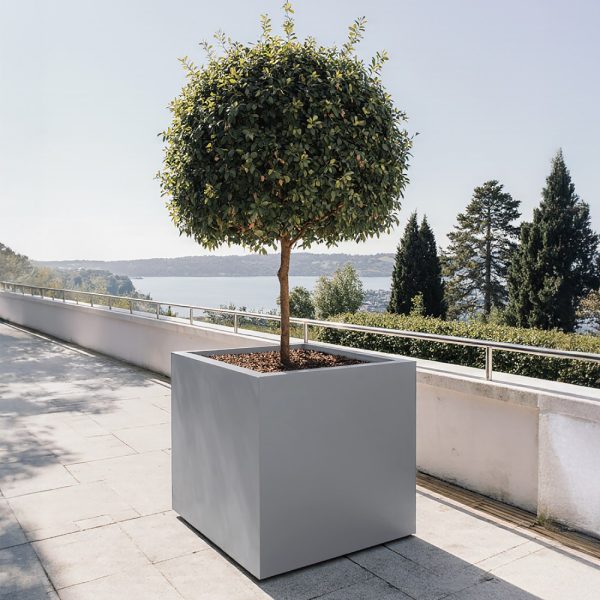
Square Box Grey Light Concrete Garden Planter H60 L60 W60 cm, 216 ltrs Cap.
In stockFree UK Delivery*Original price was: £253.54.£181.02Current price is: £181.02. -
Faux Lead Chelsea Light Stone Trough Garden Planter W30 H30.5 L71 cm, 64 ltrs Cap.
In stockFree UK Delivery*Original price was: £113.08.£94.98Current price is: £94.98. -
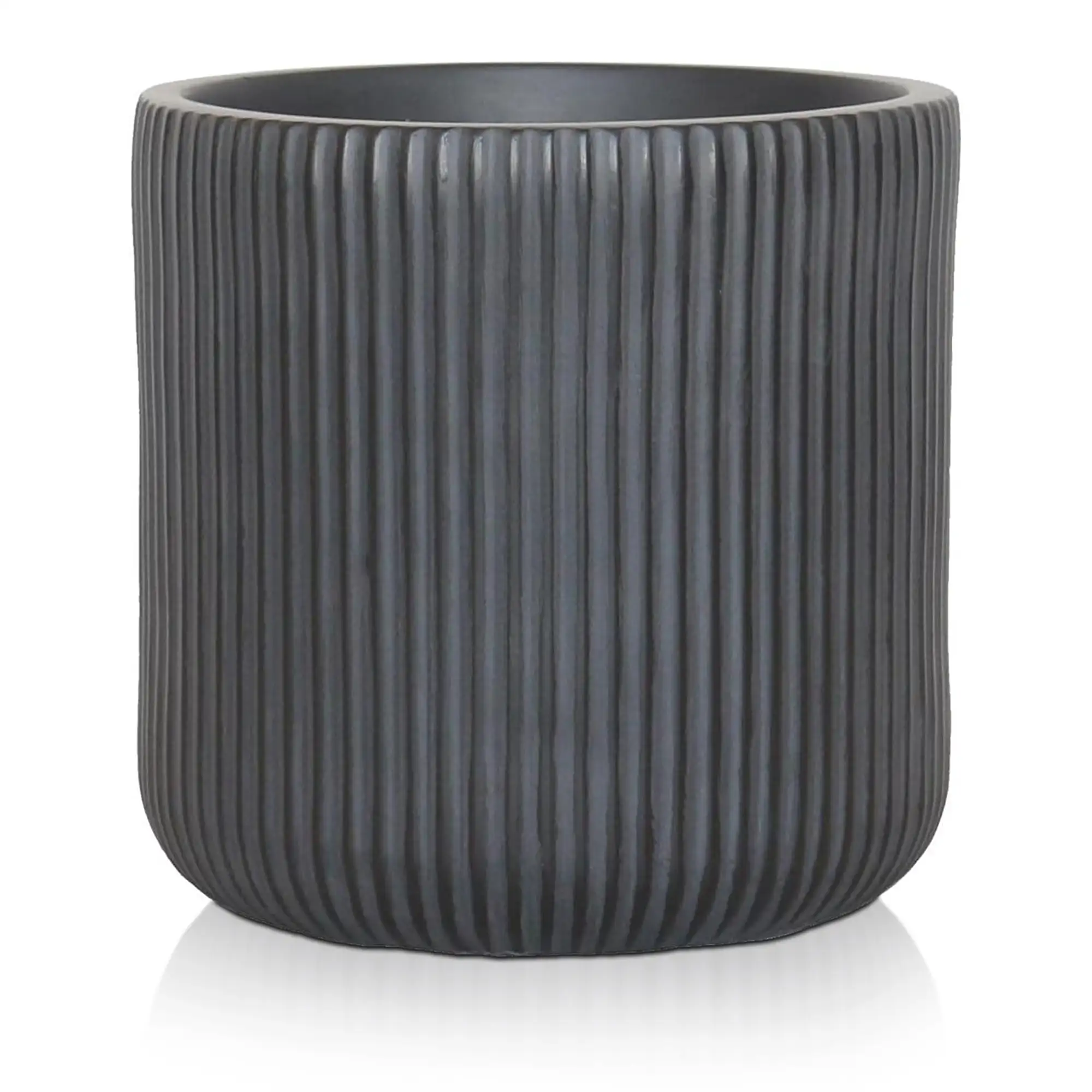
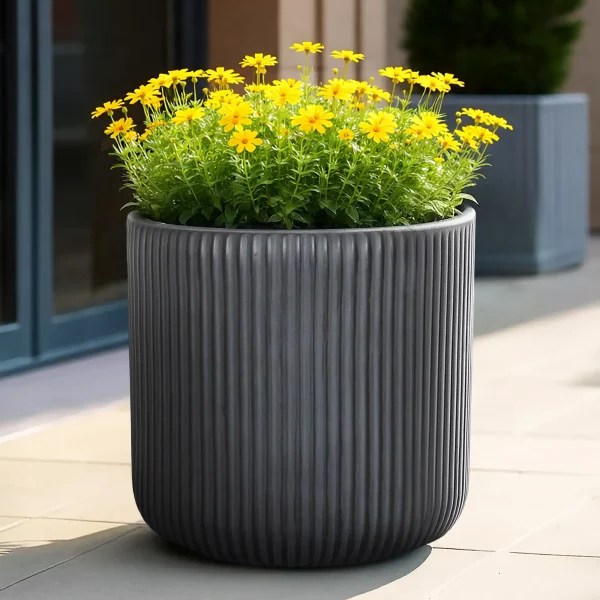
Ribbed Black Round Outdoor Planter D45 H45 cm, 71 ltrs Cap.
In stockFree UK Delivery*Original price was: £127.37.£106.99Current price is: £106.99. -
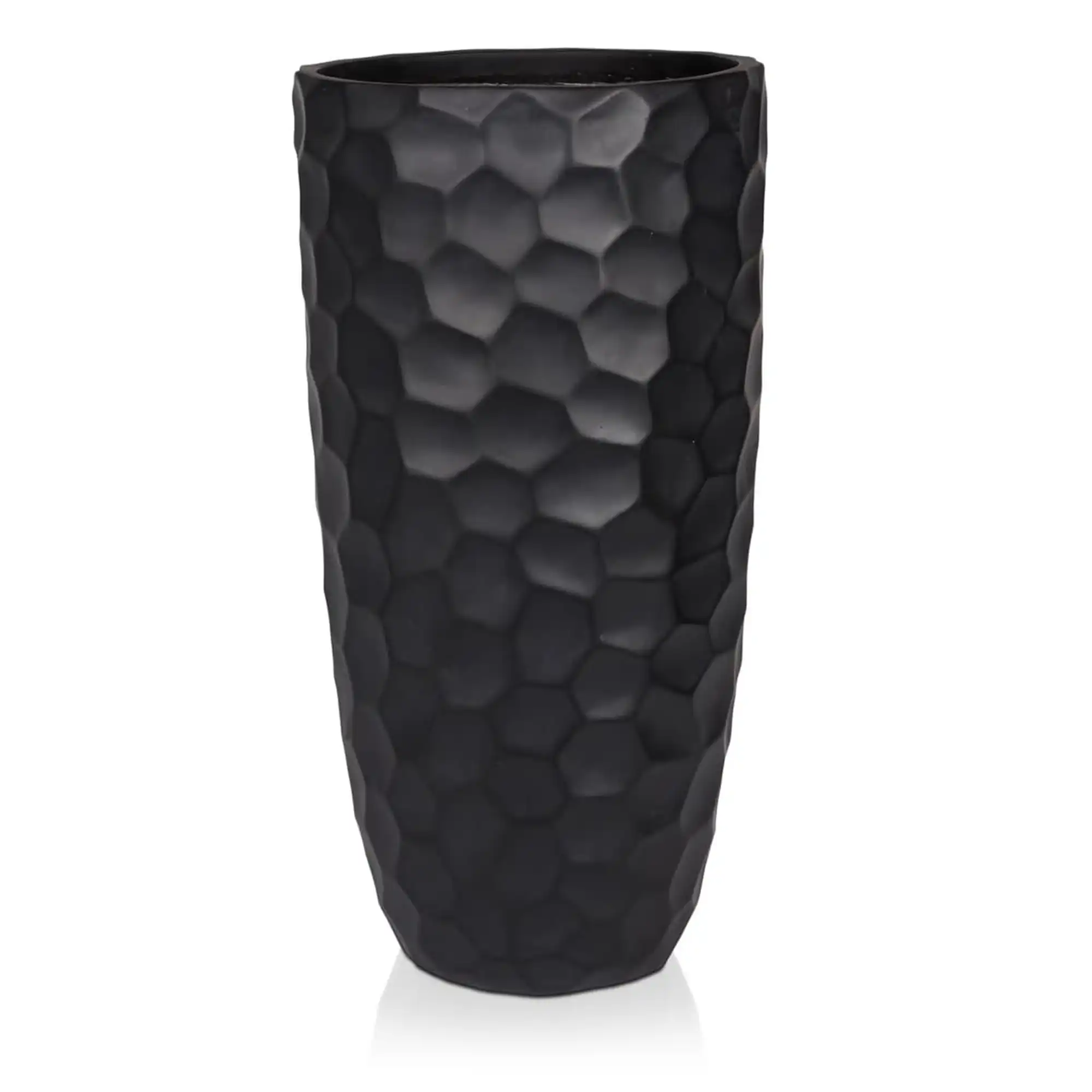
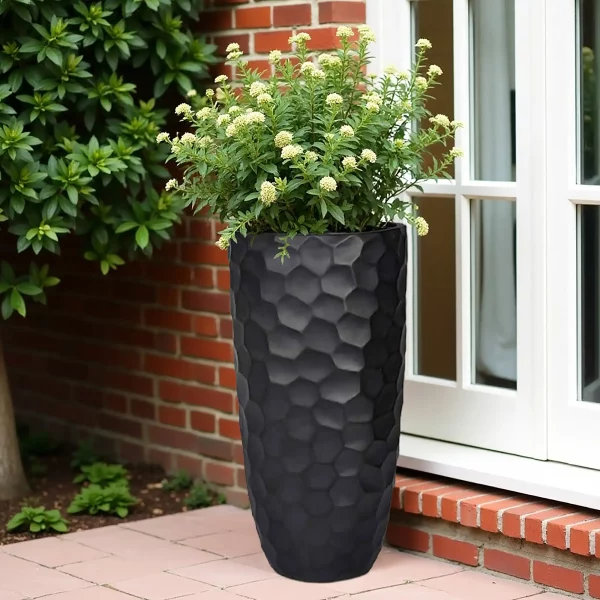
Mosaic Style Black Tall Round Vase Garden Planter, Outdoor Plant Pot H61 D31.5 cm, 47 ltrs Cap.
In stockFree UK Delivery*Original price was: £74.98.£62.98Current price is: £62.98. -
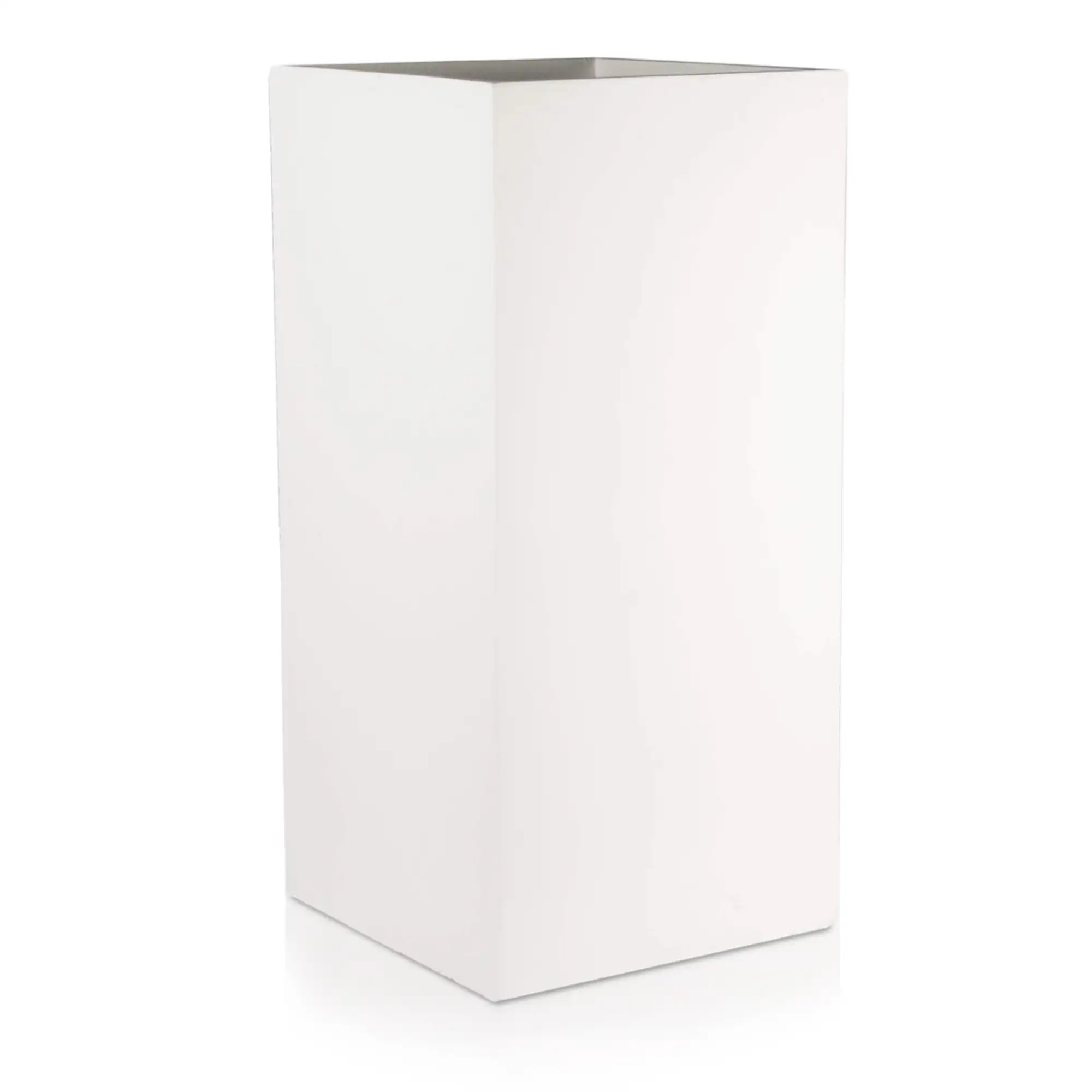
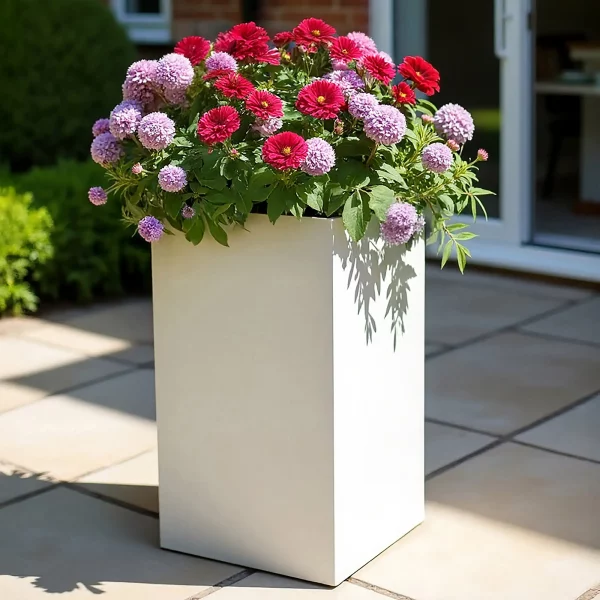
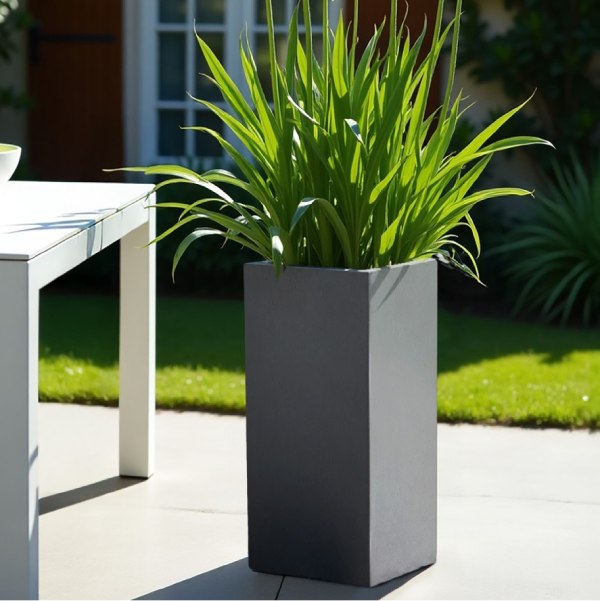
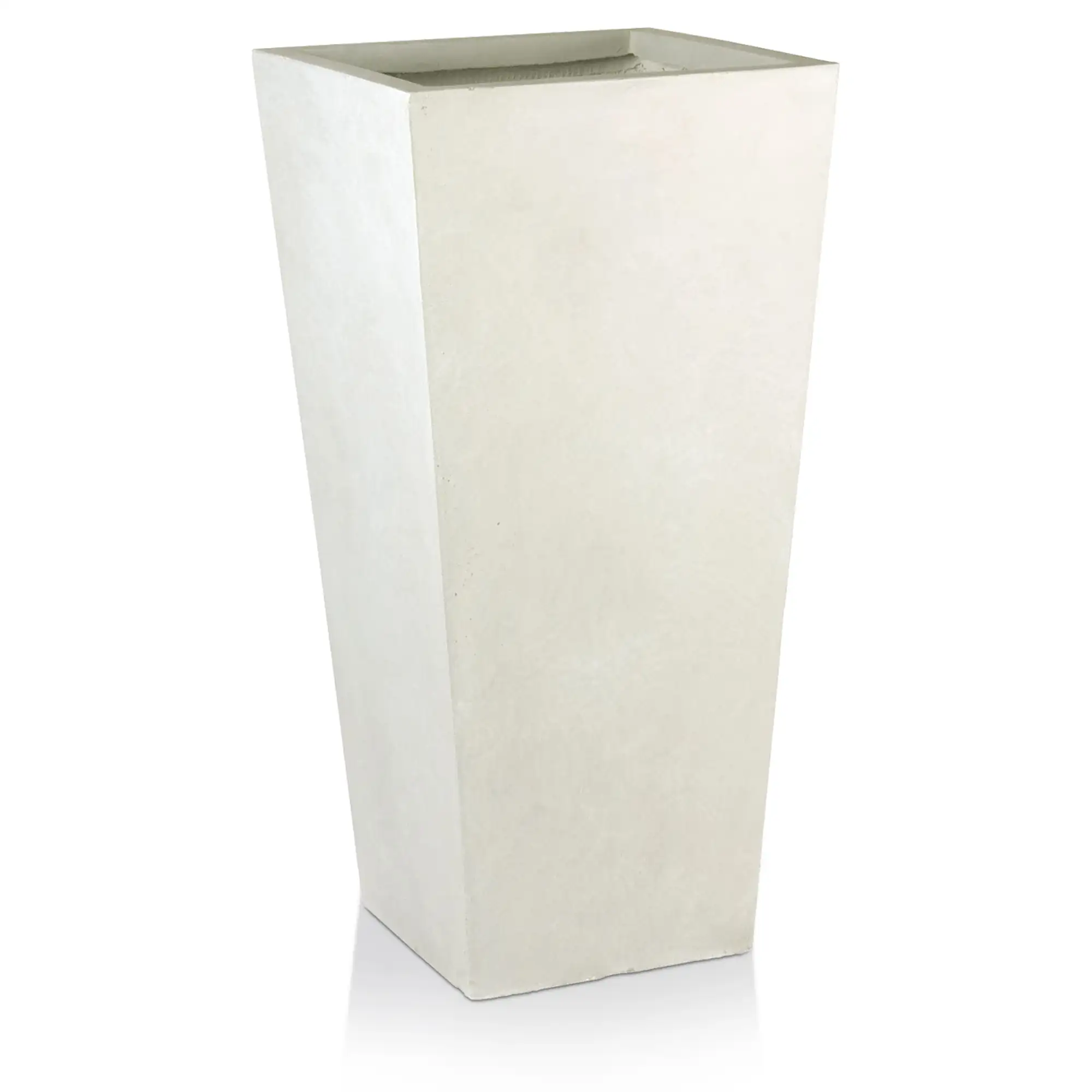
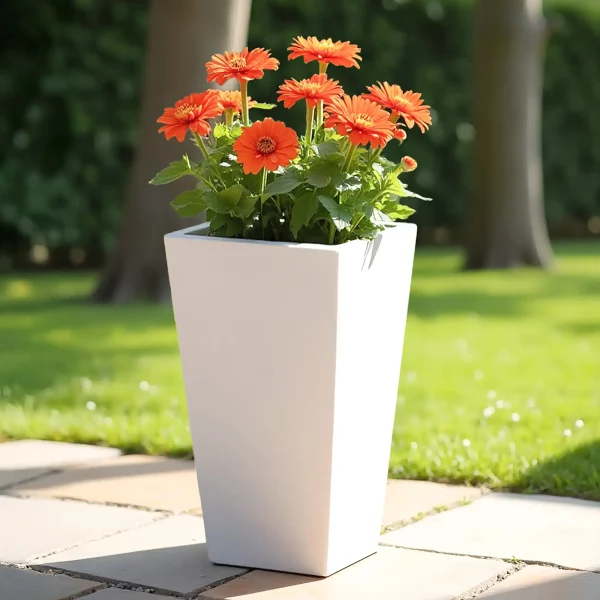
Tall Square White Light Concrete Garden Planter H70 L33 W33 cm, 79 ltrs Cap.
In stockFree UK Delivery*Original price was: £111.89.£84.58Current price is: £84.58. -
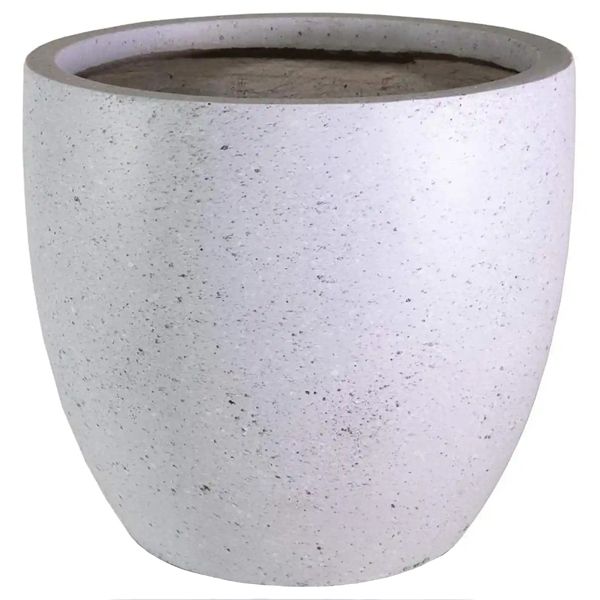
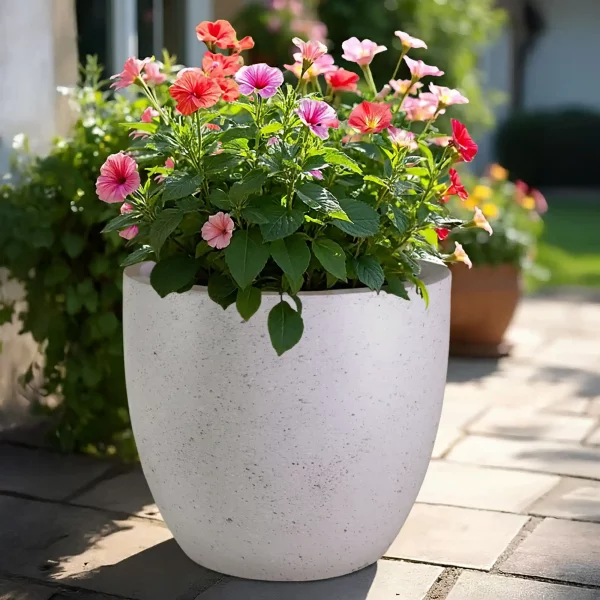
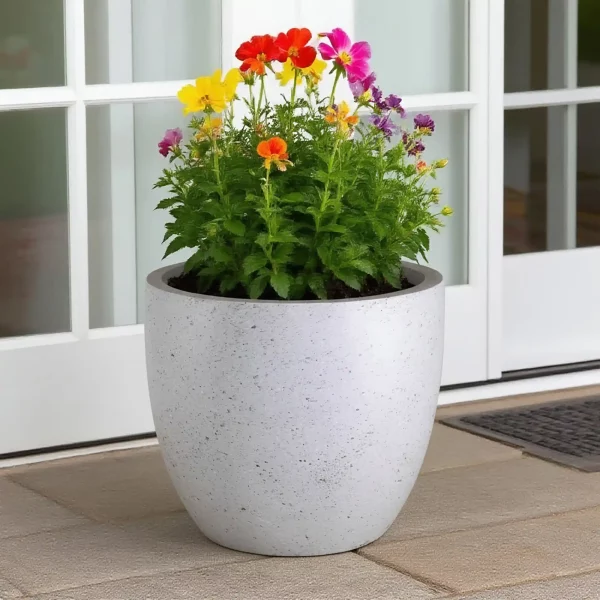
Speckled Grey Light Concrete Garden Planter Contemporary Outdoor Plant Pot D40 H36 cm, 45 ltrs Cap.
In stockFree UK Delivery*Original price was: £78.56.£65.99Current price is: £65.99. -
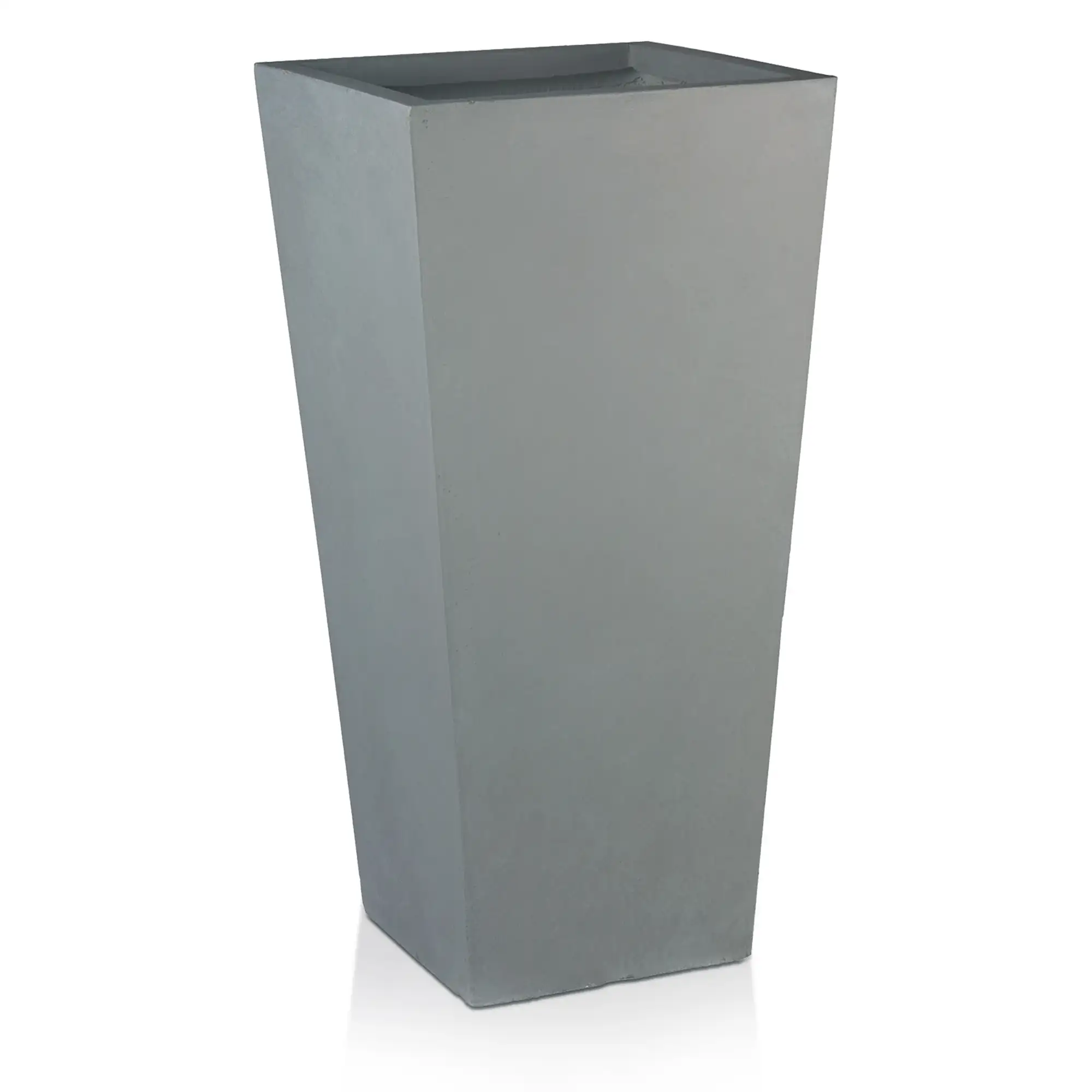
Tall Tapered Grey Light Concrete Garden Planter H50.5 L24.5 W24.5 cm, 30 ltrs Cap.
In stockFree UK Delivery*Original price was: £49.98.£41.99Current price is: £41.99. -
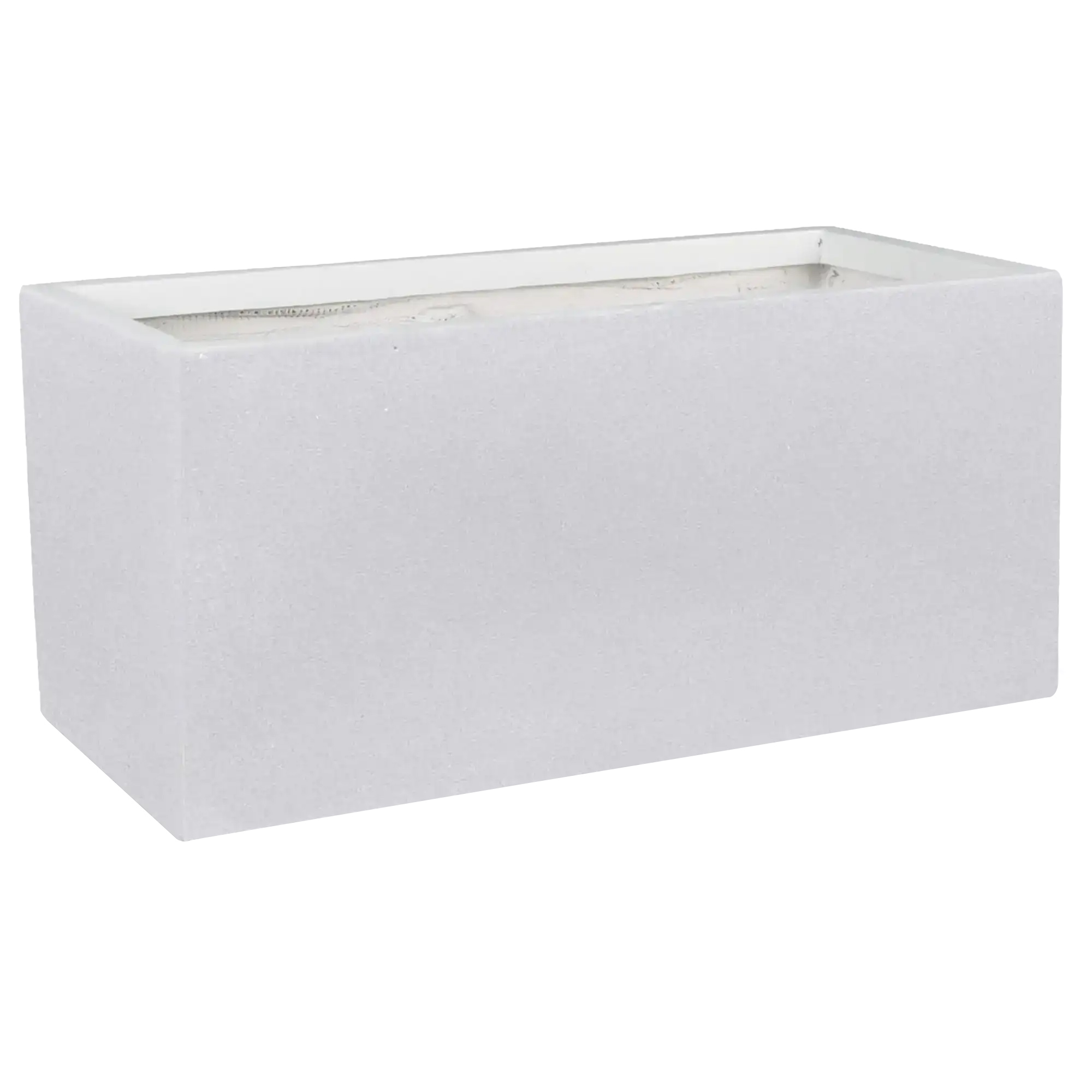
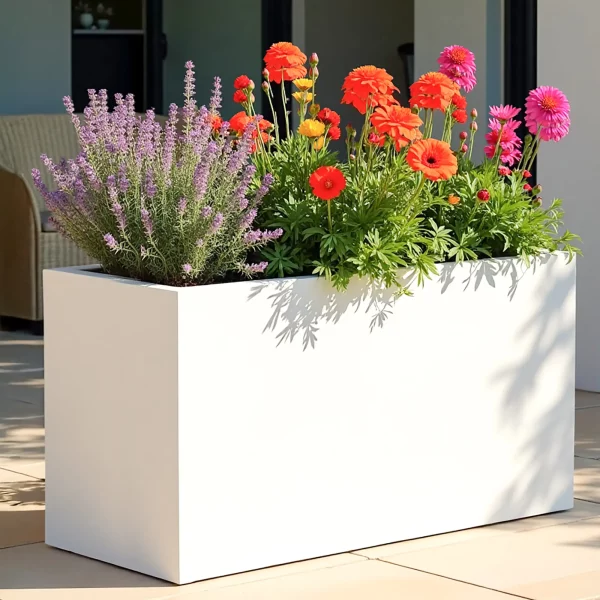
Light Concrete White Trough Planter H40 L50 W20 cm, 40 ltrs Cap.
In stockFree UK Delivery*Original price was: £70.22.£58.98Current price is: £58.98. -
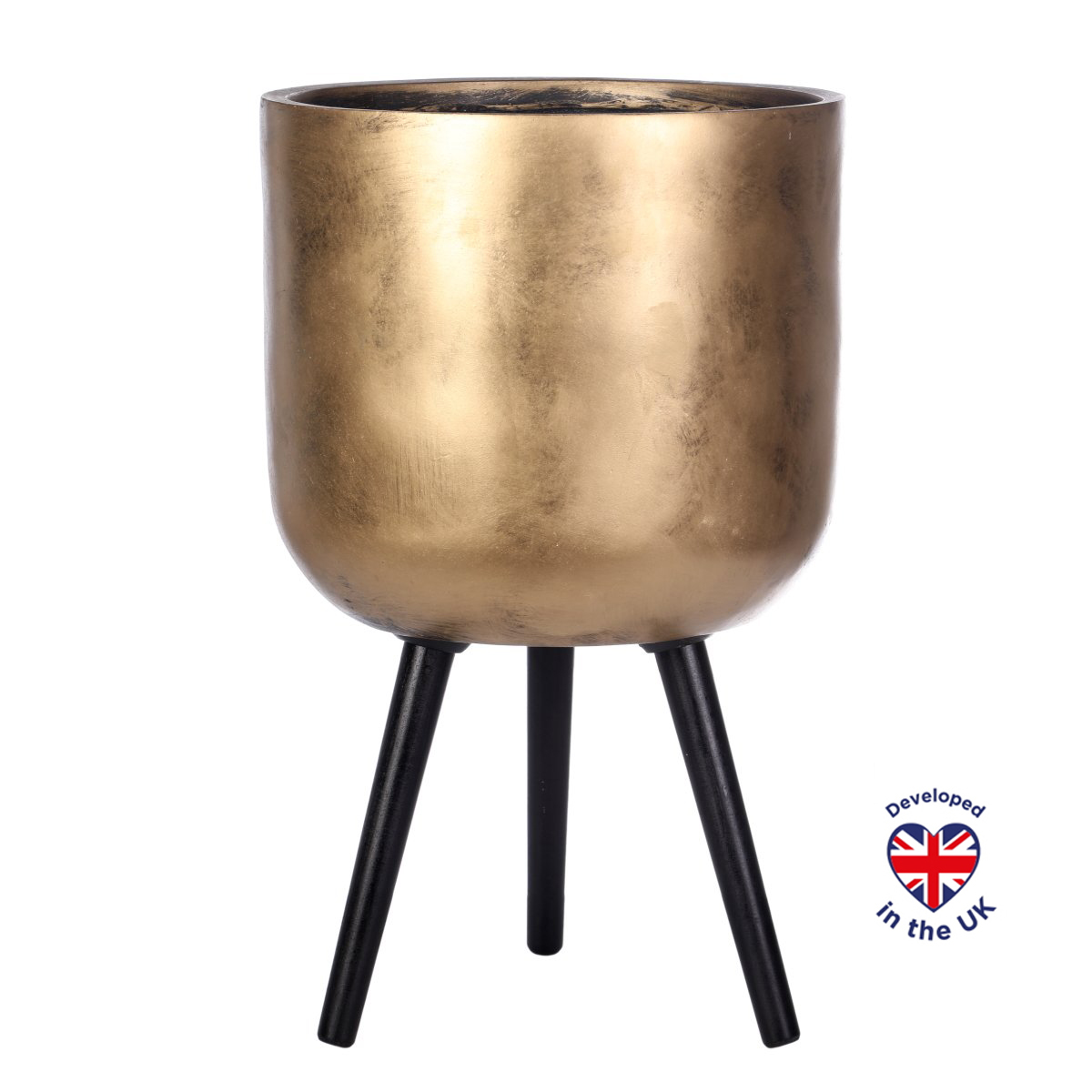
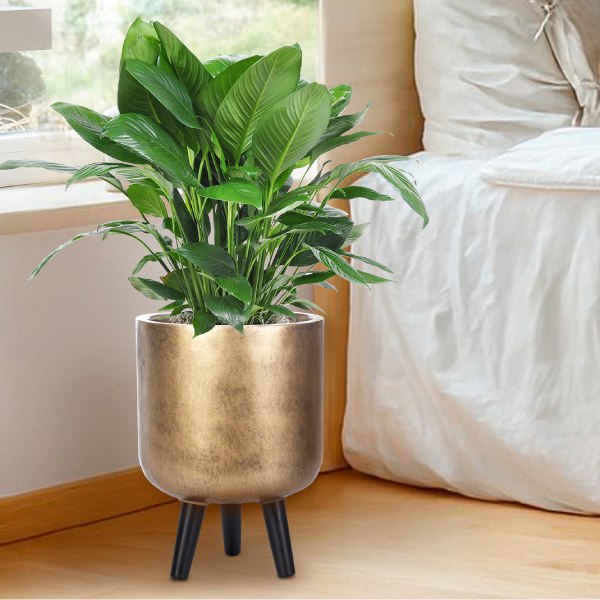
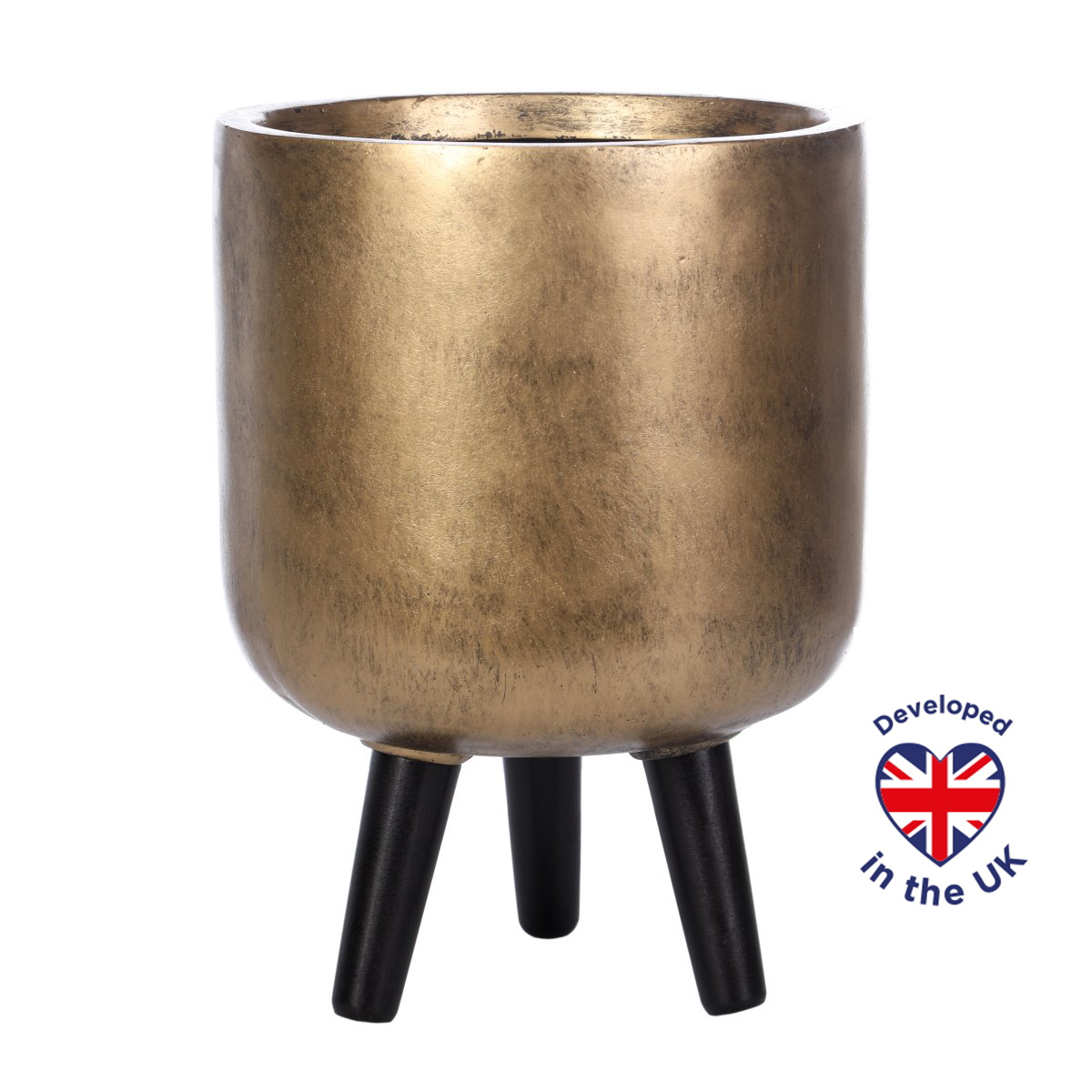
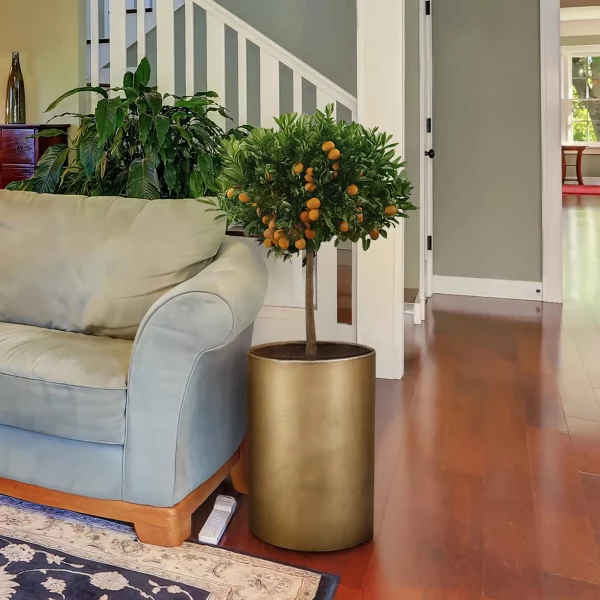
Concrete Effect Gold Round Planter with Legs, Round Indoor Plant Pot D26 H43 cm, 16 ltrs Cap.
In stockFree UK Delivery*Original price was: £79.74.£66.98Current price is: £66.98. -
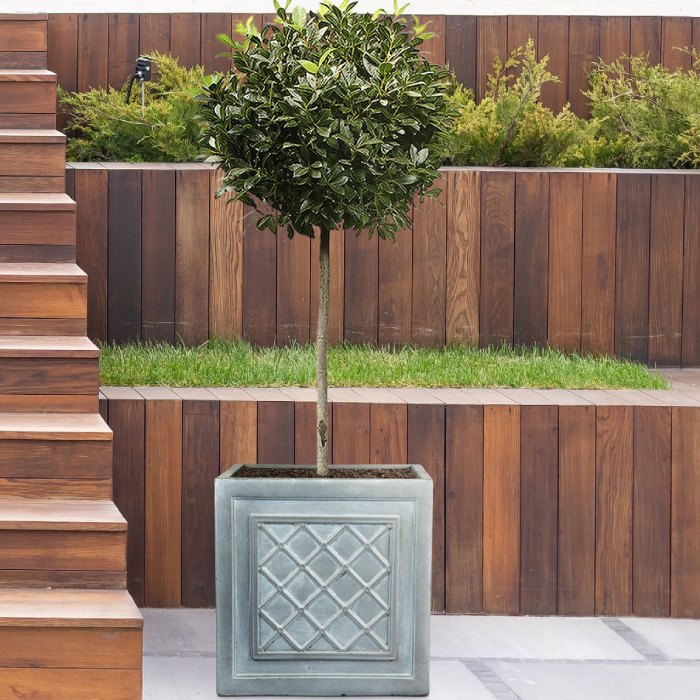
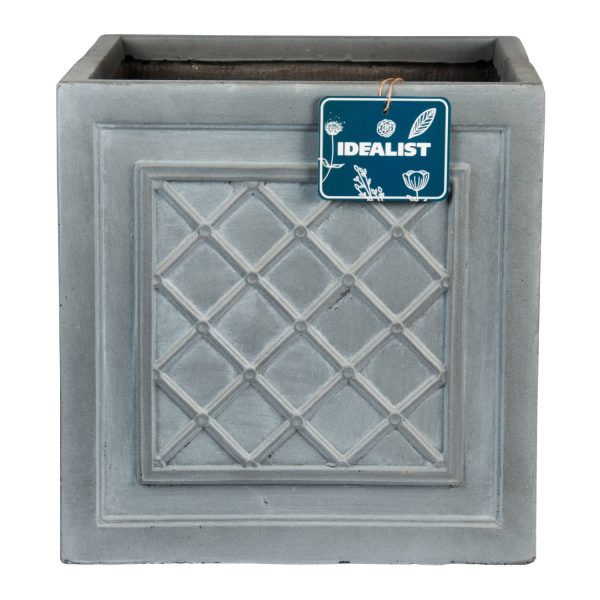
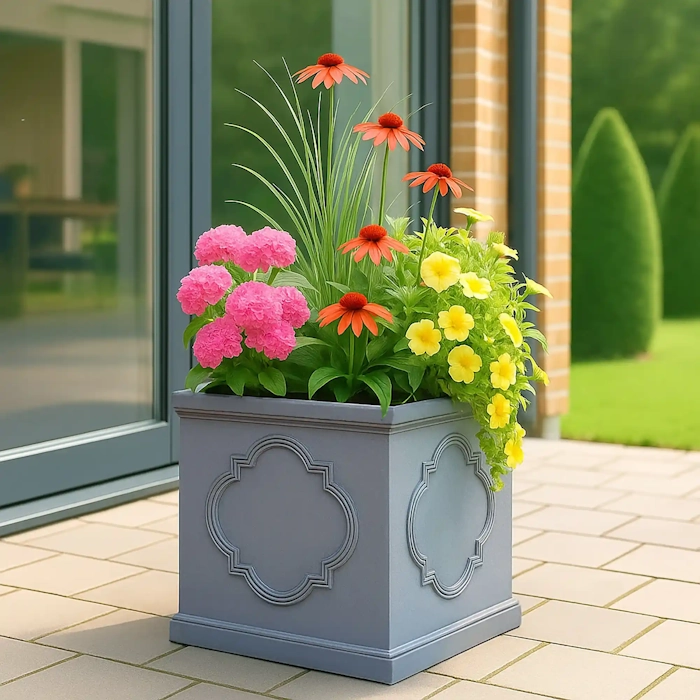
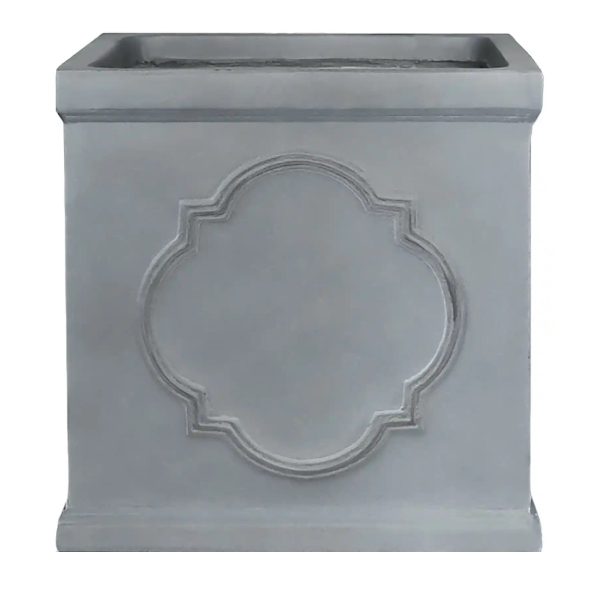
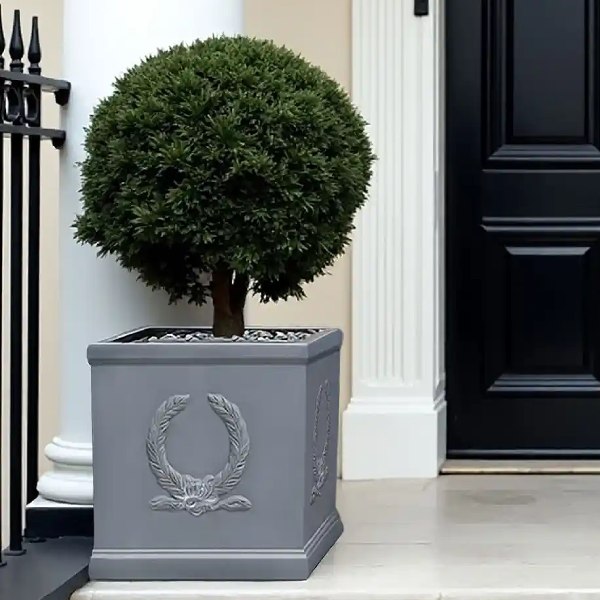
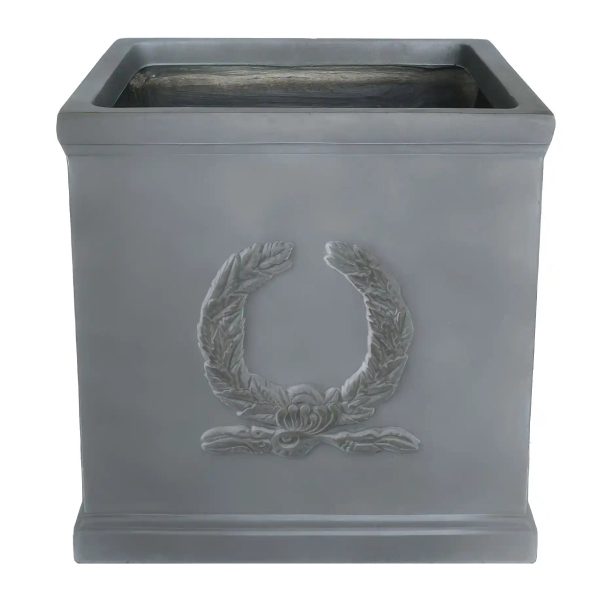
Faux Lead Lattice Box Square Grey Light Stone Garden Planter W37 H37 L38 cm, 52 ltrs Cap.
In stockFree UK Delivery*Original price was: £79.74.£56.93Current price is: £56.93. -
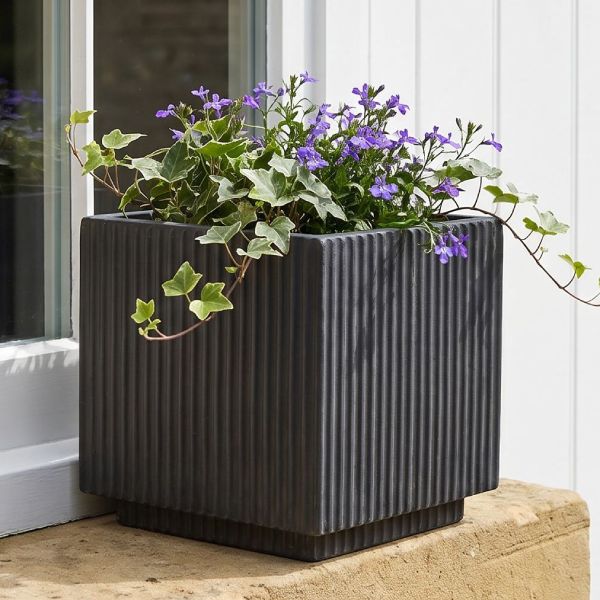
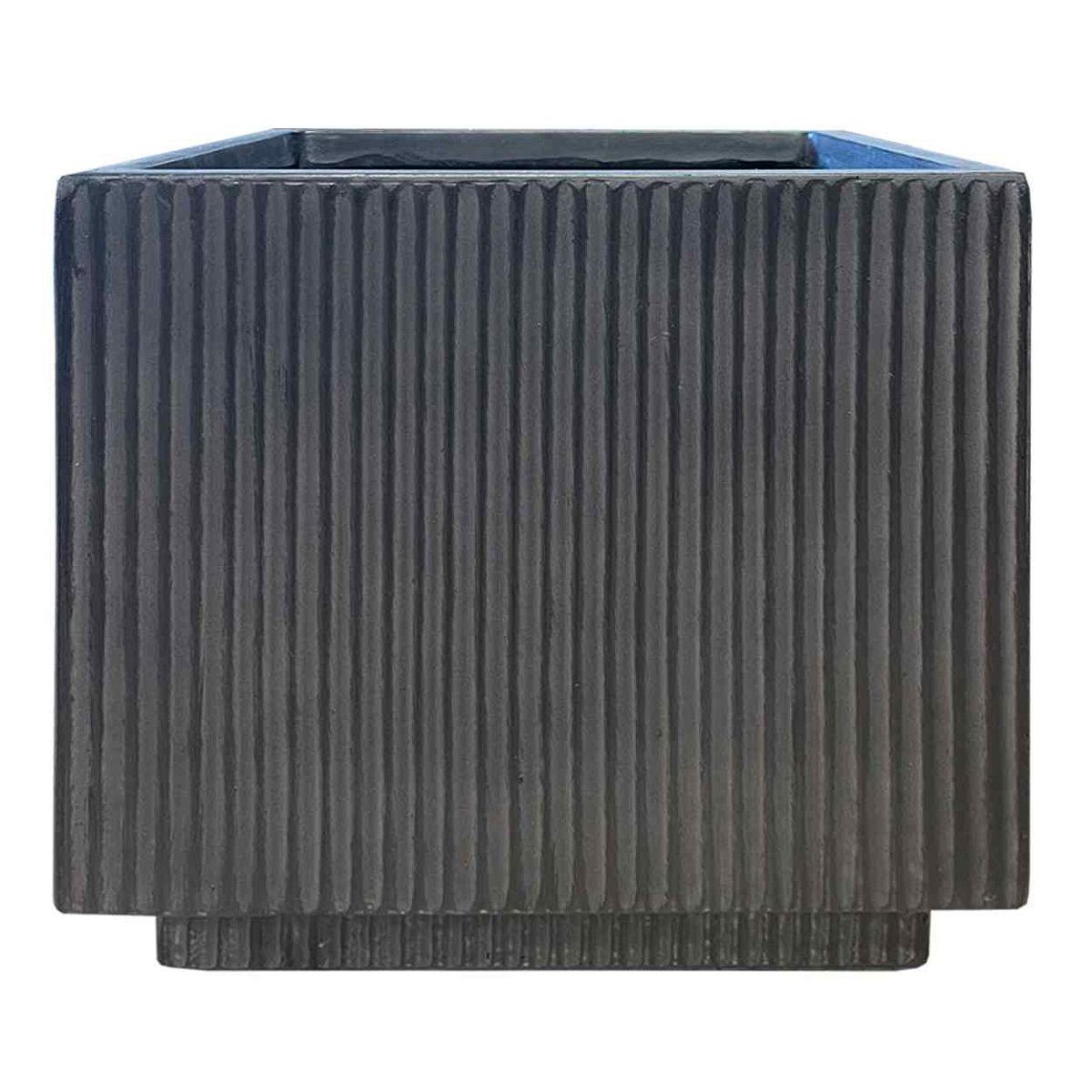
Vertical Ribbed Black Square Planter, Outdoor Plant Pot H25 L25 W25 cm, 12 ltrs Cap.
In stockFree UK Delivery*Original price was: £36.89.£27.89Current price is: £27.89. -
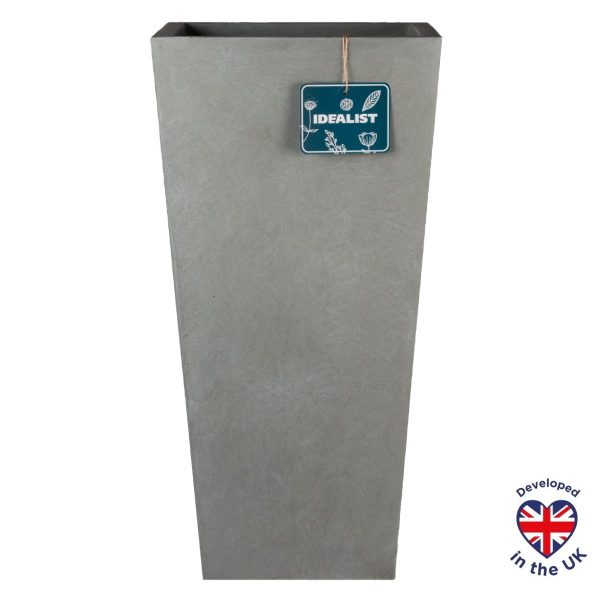
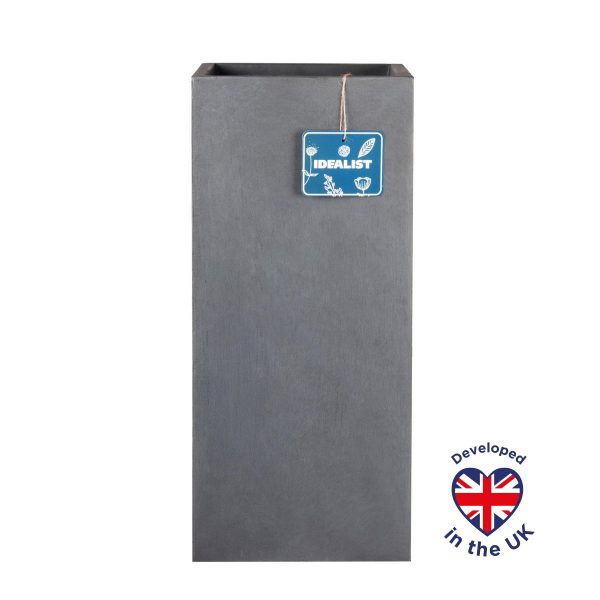
Tall Square Faux Lead Light Concrete Garden Planter H50 L21 W21 cm, 22 ltrs Cap.
In stockFree UK Delivery*Original price was: £53.56.£44.99Current price is: £44.99. -
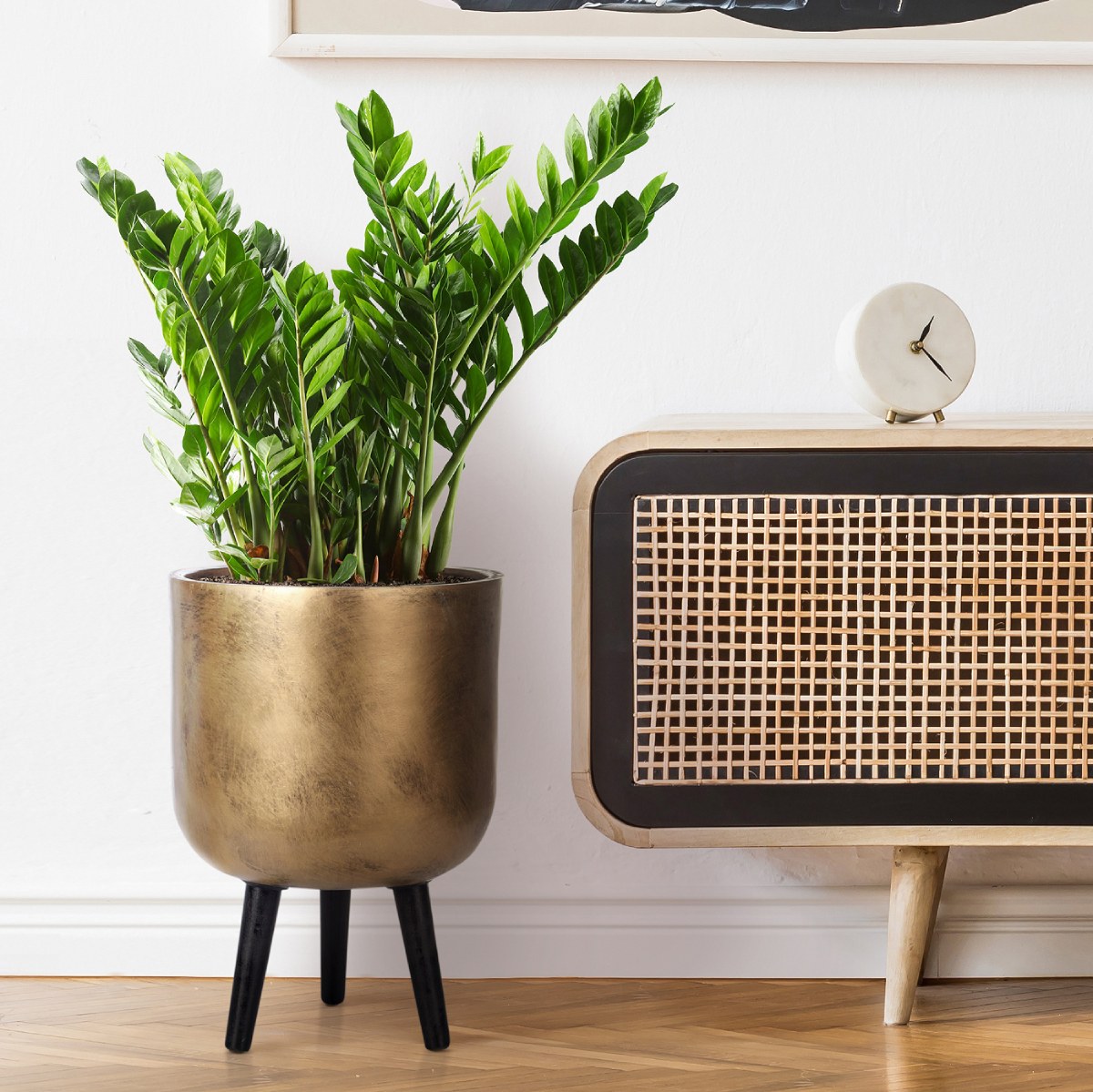
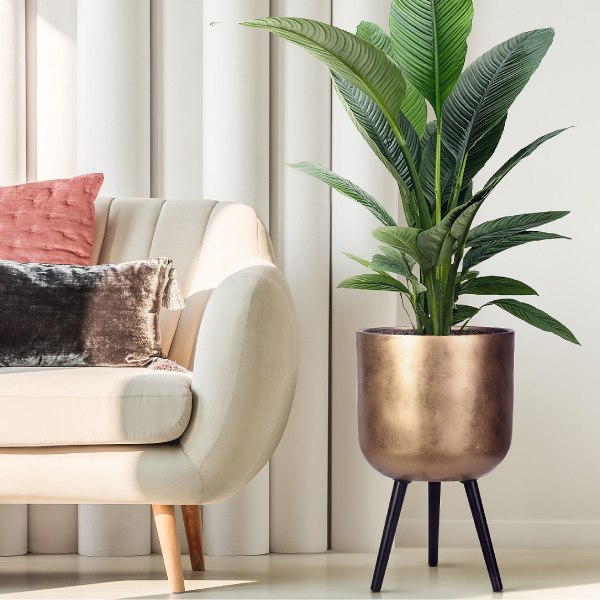
Concrete Effect Gold Round Planter with Legs, Round Indoor Plant Pot D33 H61 cm, 32 ltrs Cap.
In stockFree UK Delivery*Original price was: £91.65.£76.98Current price is: £76.98. -
Faux Lead Windsor Box Square Grey Light Stone Garden Planter W37 H37 L37 cm, 50 ltrs Cap.
In stockFree UK Delivery*Original price was: £63.08.£52.99Current price is: £52.99. -
Speckled Grey Light Concrete Garden Planter Contemporary Outdoor Plant Pot D30 H27 cm, 19 ltrs Cap.
In stockFree UK Delivery*Original price was: £40.46.£33.98Current price is: £33.98. -
Square Box Grey Marble Light Concrete Garden Planter H30 L30 W30 cm, 27 ltrs Cap.
In stockFree UK Delivery*Original price was: £52.37.£39.59Current price is: £39.59. -
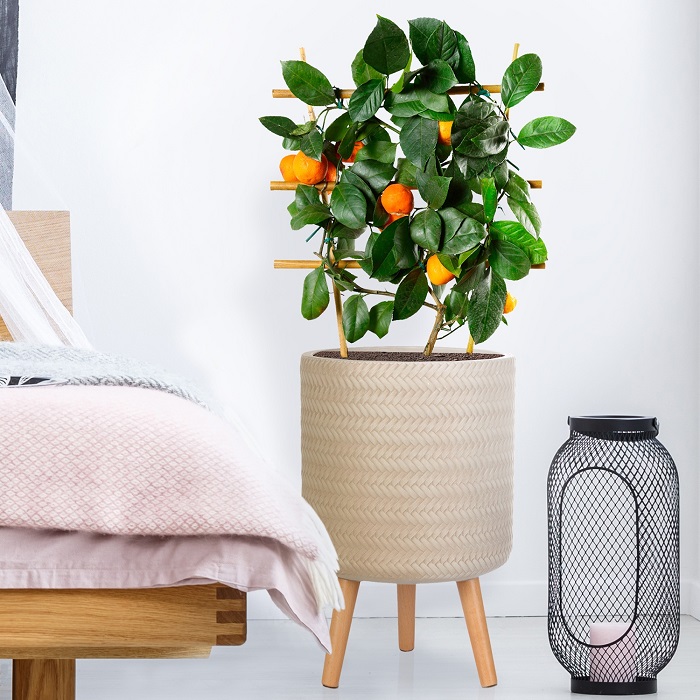
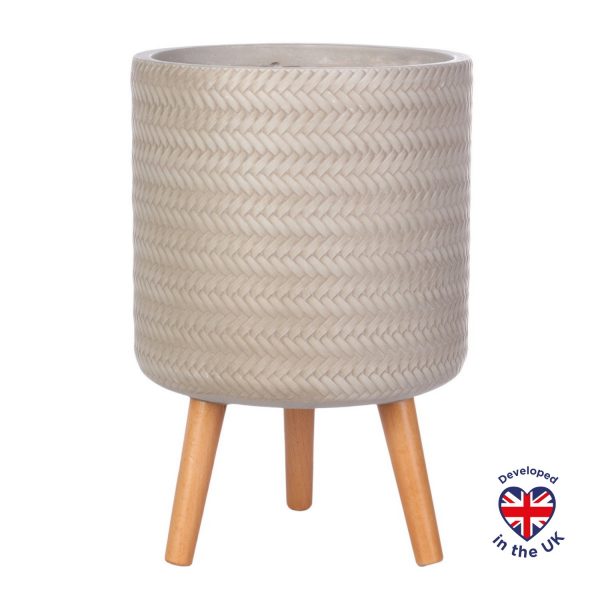
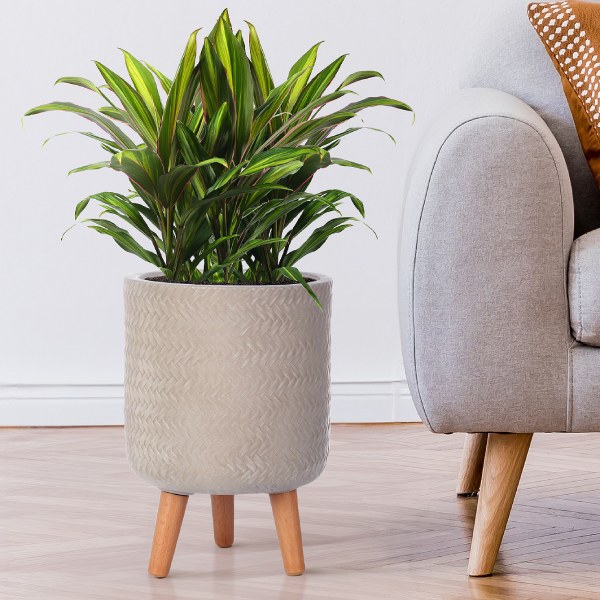
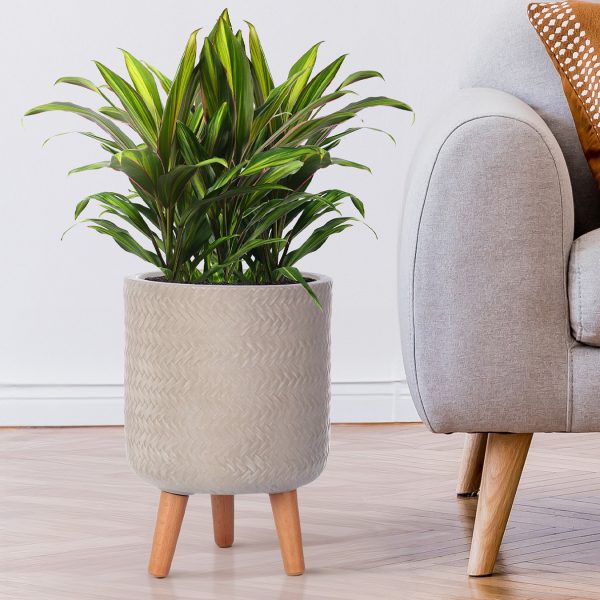
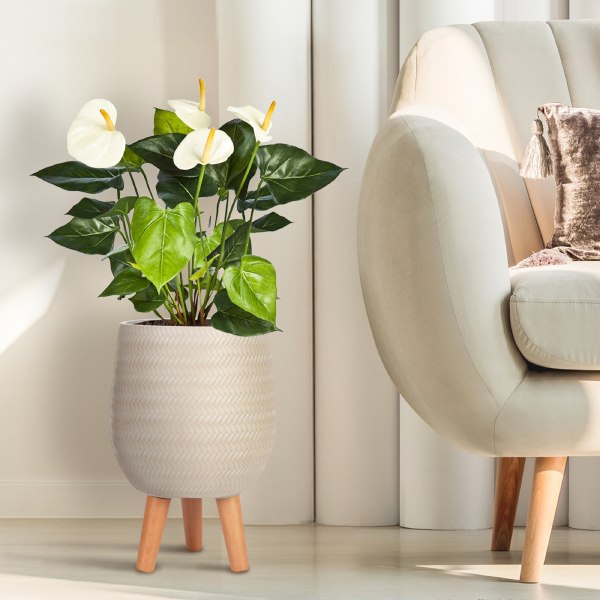
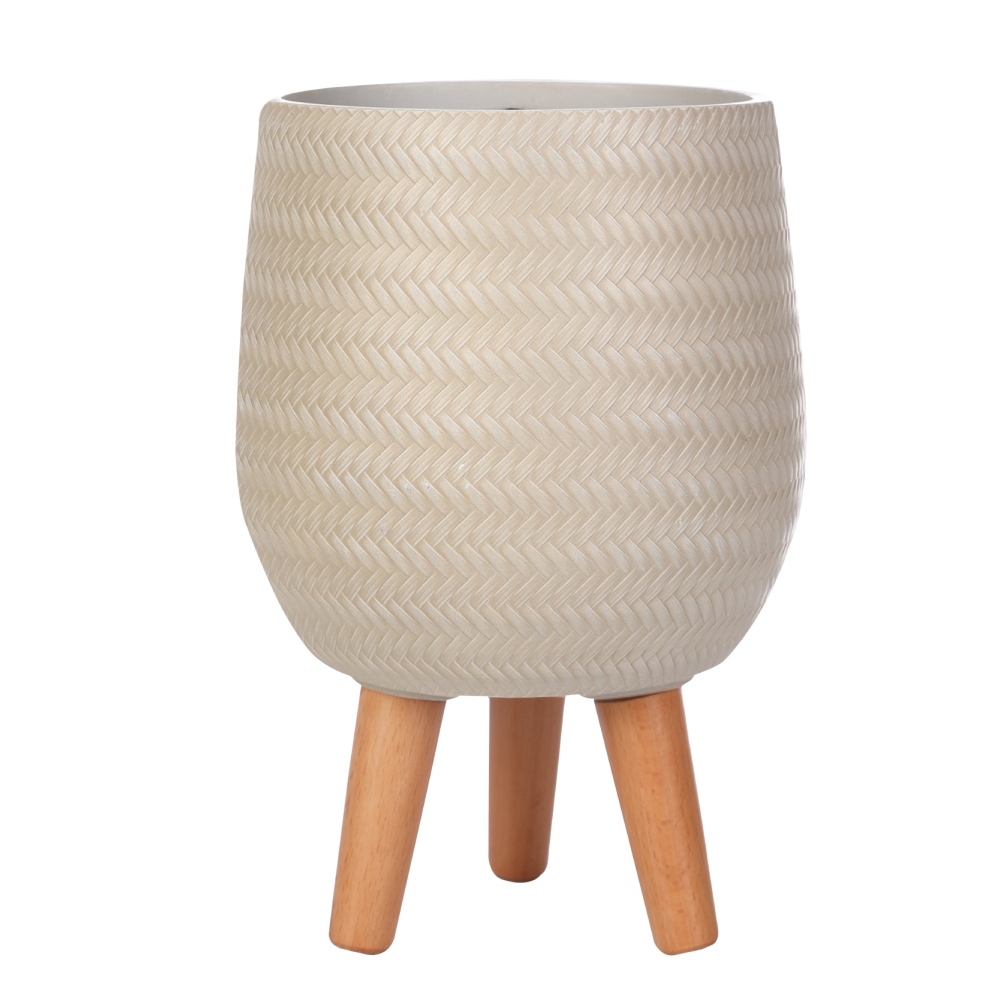
Plaited Style Beige Planter on Legs, Round Indoor Plant Pot D26 H46 cm, 17.9 ltrs Cap.
In stockFree UK Delivery*Original price was: £77.37.£64.99Current price is: £64.99. -
Tall Tapered White Light Concrete Garden Planter H50.5 L24.5 W24.5 cm, 30 ltrs Cap.
In stockFree UK Delivery*Original price was: £49.98.£41.98Current price is: £41.98. -
Textured Concrete Effect Square Grey Outdoor Garden Planter W39.5 H40 L39.5 cm, 62 ltrs Cap.
In stockFree UK Delivery*Original price was: £84.51.£70.99Current price is: £70.99. -
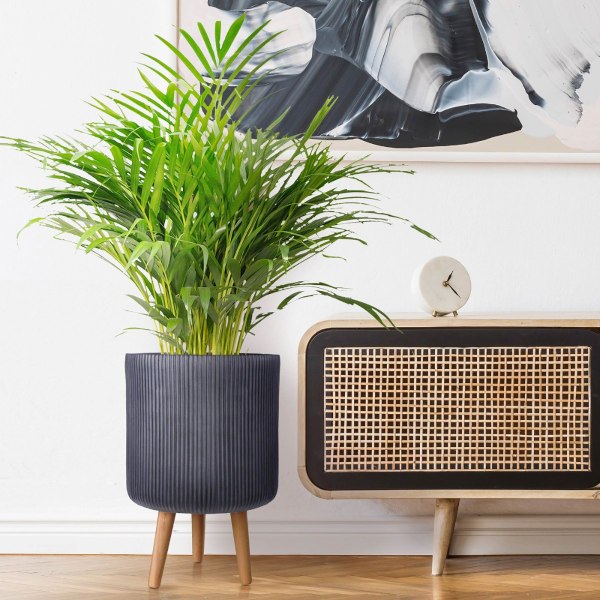
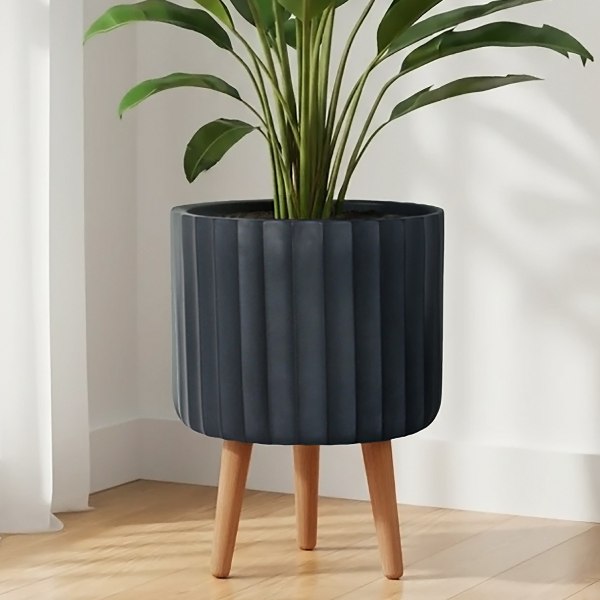
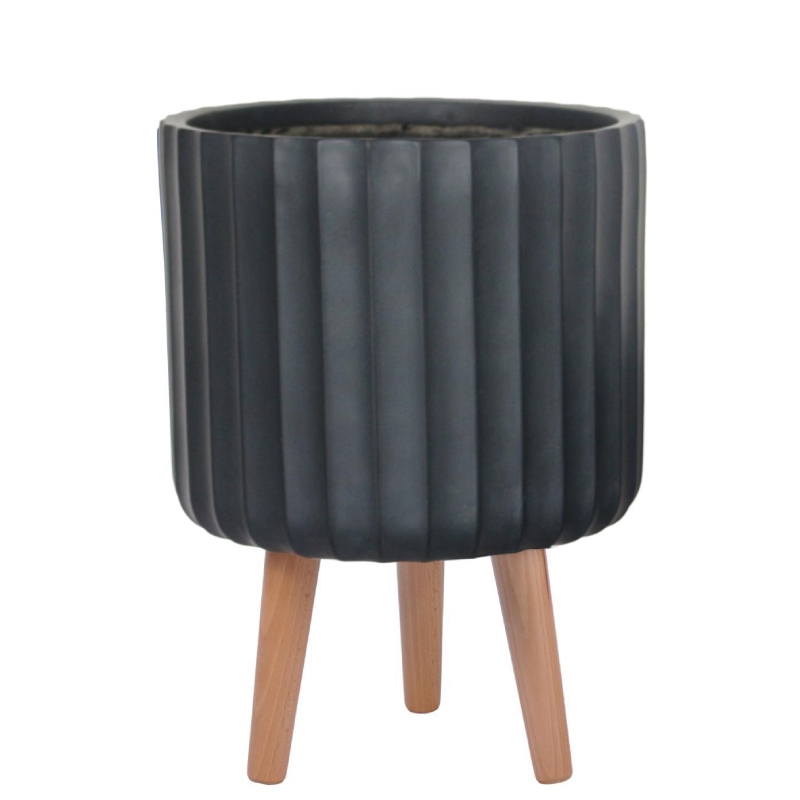
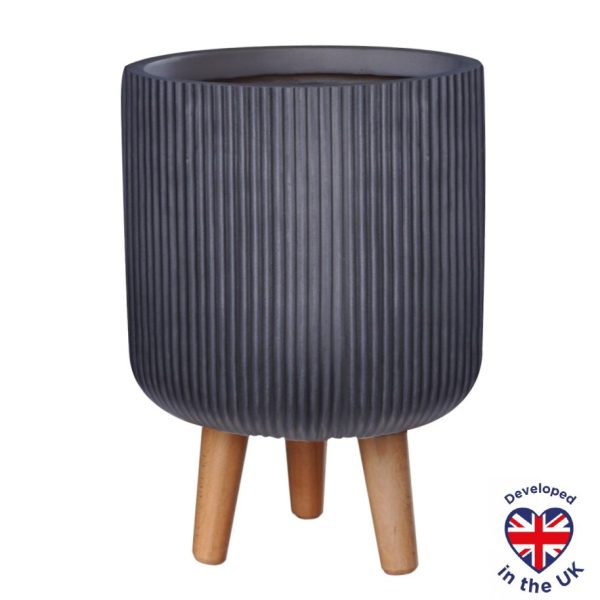
Ribbed Black Planter on Legs, Round Indoor Plant Pot D26 H46 cm, 18.5 ltrs Cap.
In stockFree UK Delivery*Original price was: £77.36.£64.99Current price is: £64.99. -
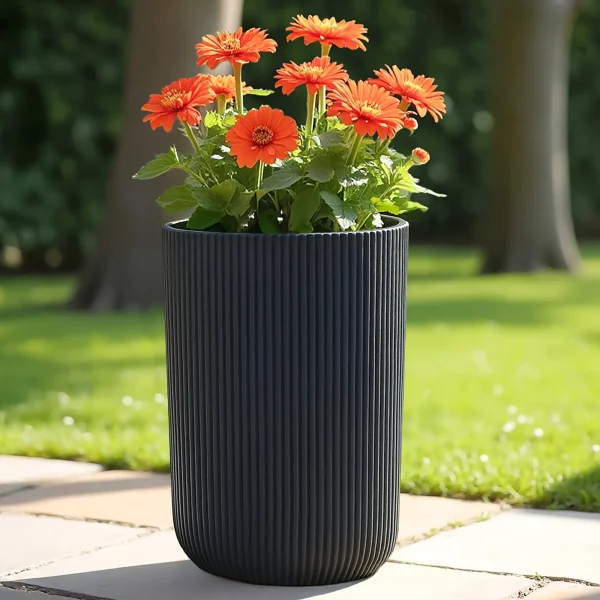
Ribbed Black Cilinder Outdoor Garden Planter D24.5 H36.5 cm, 17 ltrs Cap.
In stockFree UK Delivery*Original price was: £67.84.£48.43Current price is: £48.43. -
30cm Black Light Concrete Garden Planter | Contemporary Outdoor Plant Pot D30 H27 cm, 19 ltrs Cap.
In stockFree UK Delivery*Original price was: £40.46.£33.98Current price is: £33.98. -
Faux Lead Kensington Box Square Grey Light Stone Garden Planter W45 H46 L45 cm, 93 ltrs Cap.
In stockFree UK Delivery*Original price was: £107.12.£89.99Current price is: £89.99. -
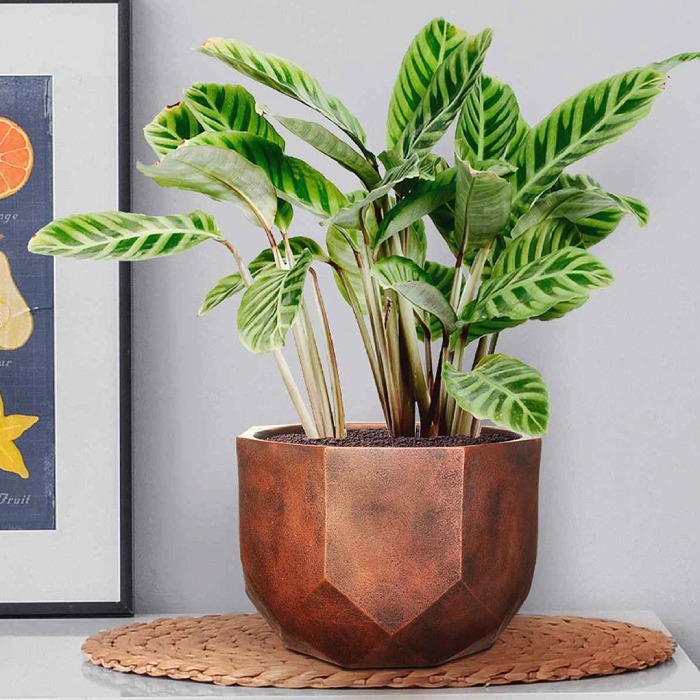
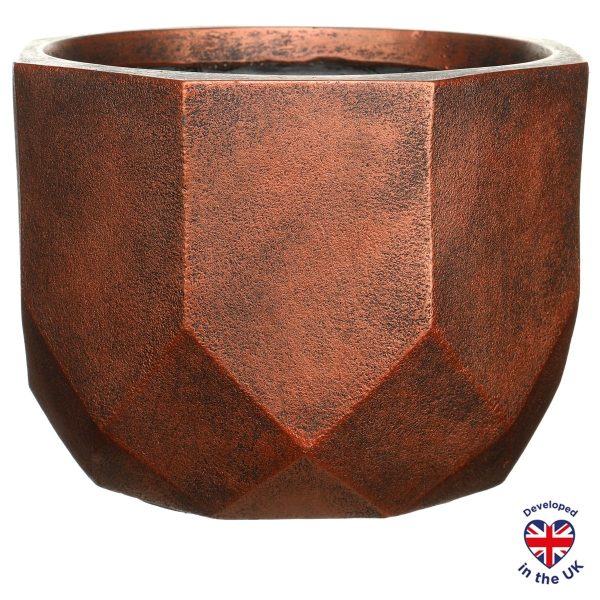
Geometry Style Bronze Round Planter, Indoor Plant Pot D19 H17 cm, 7 ltrs Cap.
In stockFree UK Delivery*Original price was: £41.65.£34.98Current price is: £34.98. -
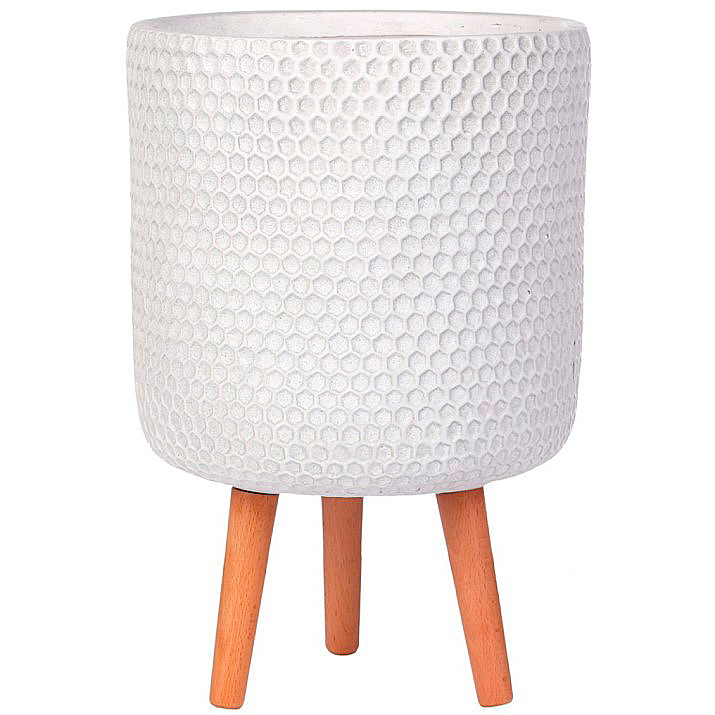
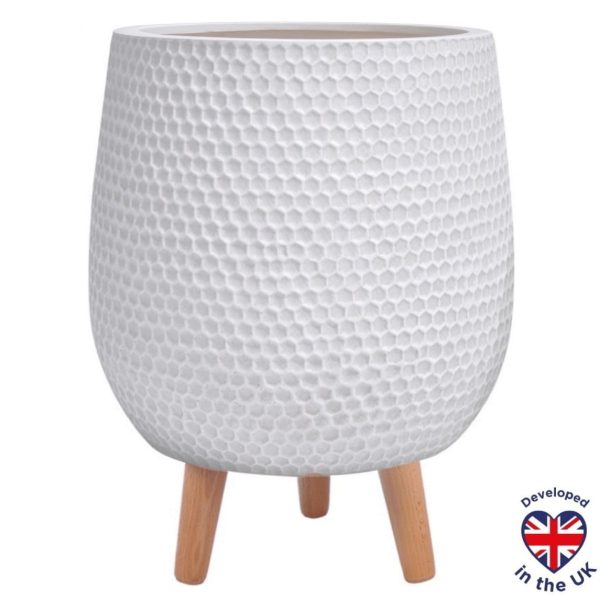
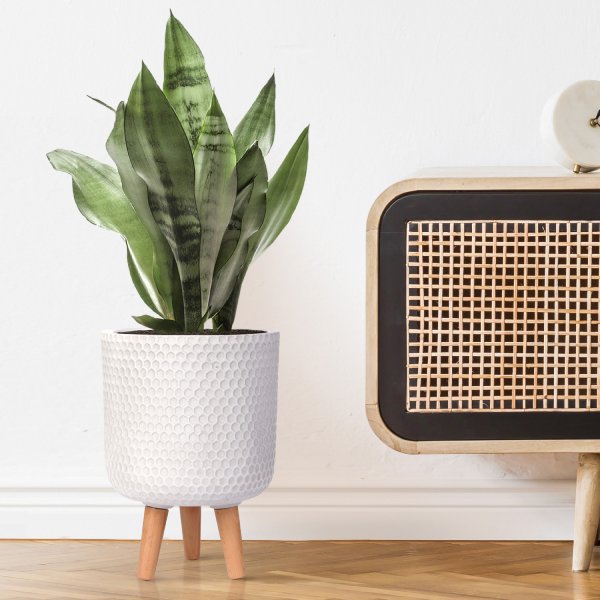
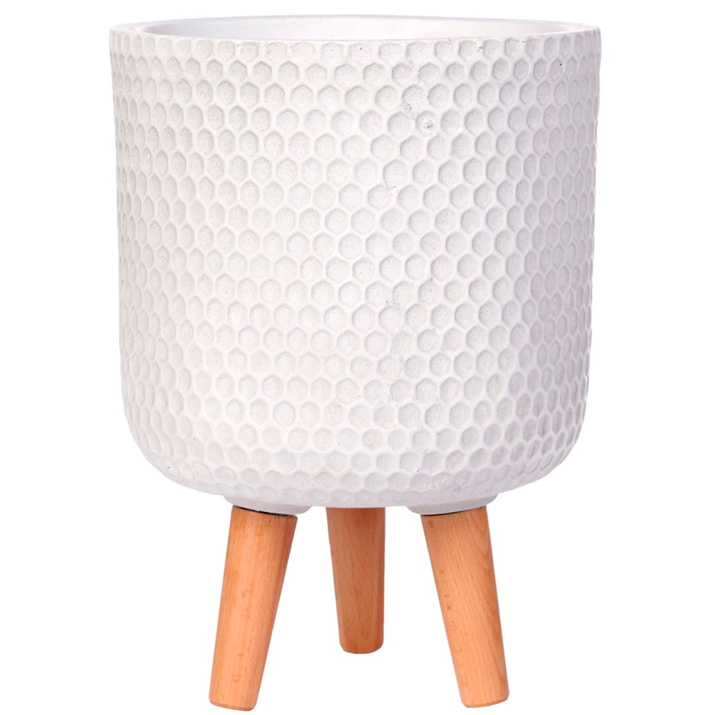
Honeycomb Style White Planter on Legs, Round Indoor Plant Pot D27 H47 cm, 19.8 ltrs Cap.
In stockFree UK Delivery*Original price was: £77.36.£51.98Current price is: £51.98. -
In stockFree UK Delivery*Original price was: £40.46.£33.98Current price is: £33.98.
-
Concrete Effect Gold Round Planter with Legs, Round Indoor Plant Pot D21 H34 cm, 9 ltrs Cap.
In stockFree UK Delivery*Original price was: £51.18.£42.99Current price is: £42.99. -
Plaited Style Beige Planter on Legs, Round Indoor Plant Pot D20 H35 cm, 8.7 ltrs Cap.
In stockFree UK Delivery*Original price was: £51.18.£42.99Current price is: £42.99. -
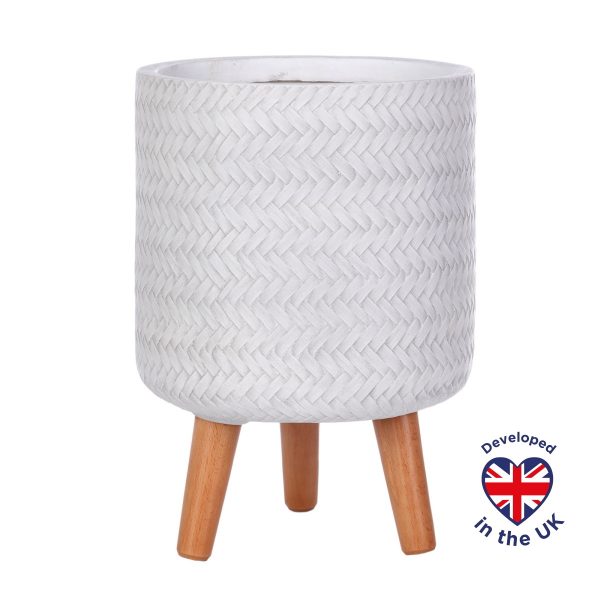
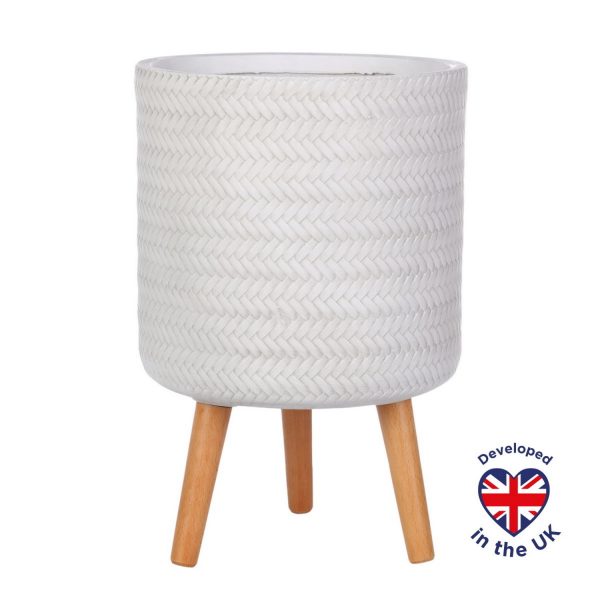
Plaited Style White Planter on Legs, Round Indoor Plant Pot D20 H35 cm, 8.7 ltrs Cap.
In stockFree UK Delivery*Original price was: £51.18.£42.99Current price is: £42.99. -
Honeycomb Style White Planter with Legs, Round Indoor Plant Pot D26 H43 cm, 19 ltrs Cap.
In stockFree UK Delivery*Original price was: £84.51.£70.99Current price is: £70.99. -
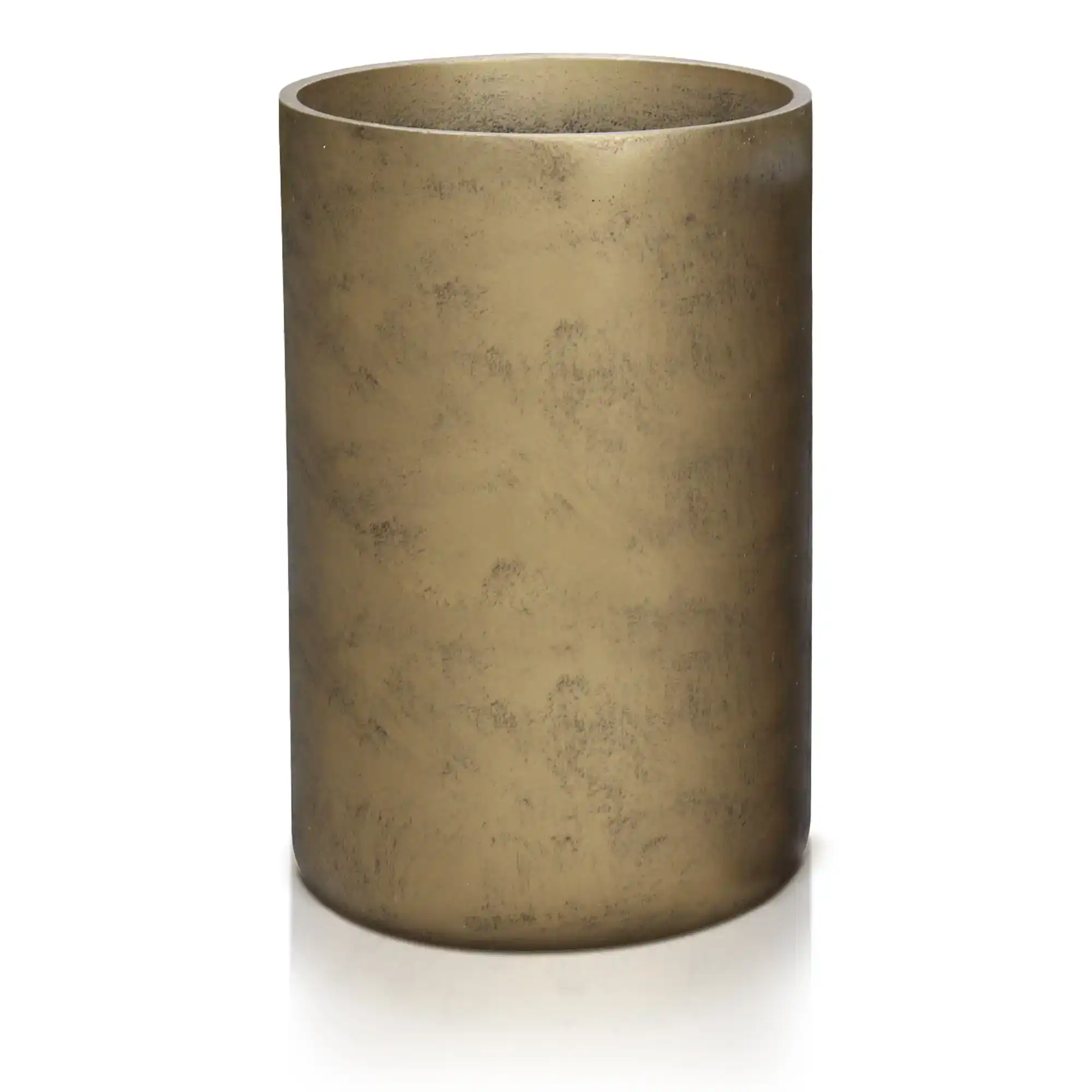
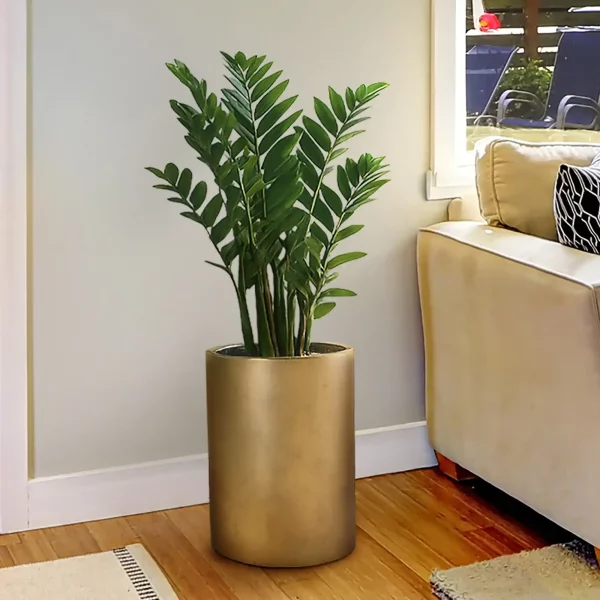
Gold Light Concrete Tall Round Planter, Indoor Plant Pot D22 H45 cm, 16 ltrs Cap.
In stockFree UK Delivery*Original price was: £67.84.£56.98Current price is: £56.98. -
In stockFree UK Delivery*Original price was: £66.65.£55.98Current price is: £55.98.
-
Honeycomb Style White Planter on Legs, Round Indoor Plant Pot D21 H34 cm, 9 ltrs Cap.
In stockFree UK Delivery*Original price was: £51.18.£42.99Current price is: £42.99. -
Gold Light Concrete Tall Round Planter, Indoor Plant Pot D26 H50 cm, 25 ltrs Cap.
In stockFree UK Delivery*Original price was: £94.03.£78.98Current price is: £78.98. -
Plaited Style Beige Planter with Legs, Round Indoor Plant Pot D21 H34 cm, 6 ltrs Cap.
In stockFree UK Delivery*Original price was: £47.60.£31.98Current price is: £31.98. -
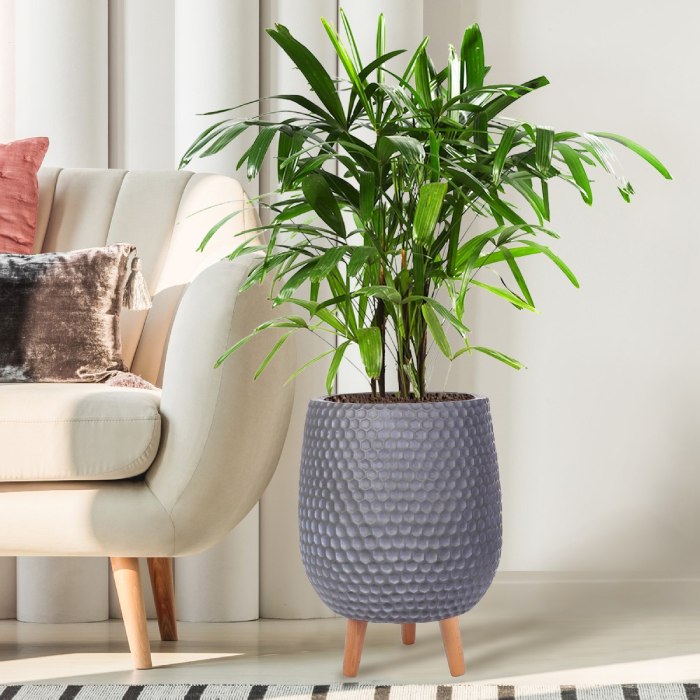
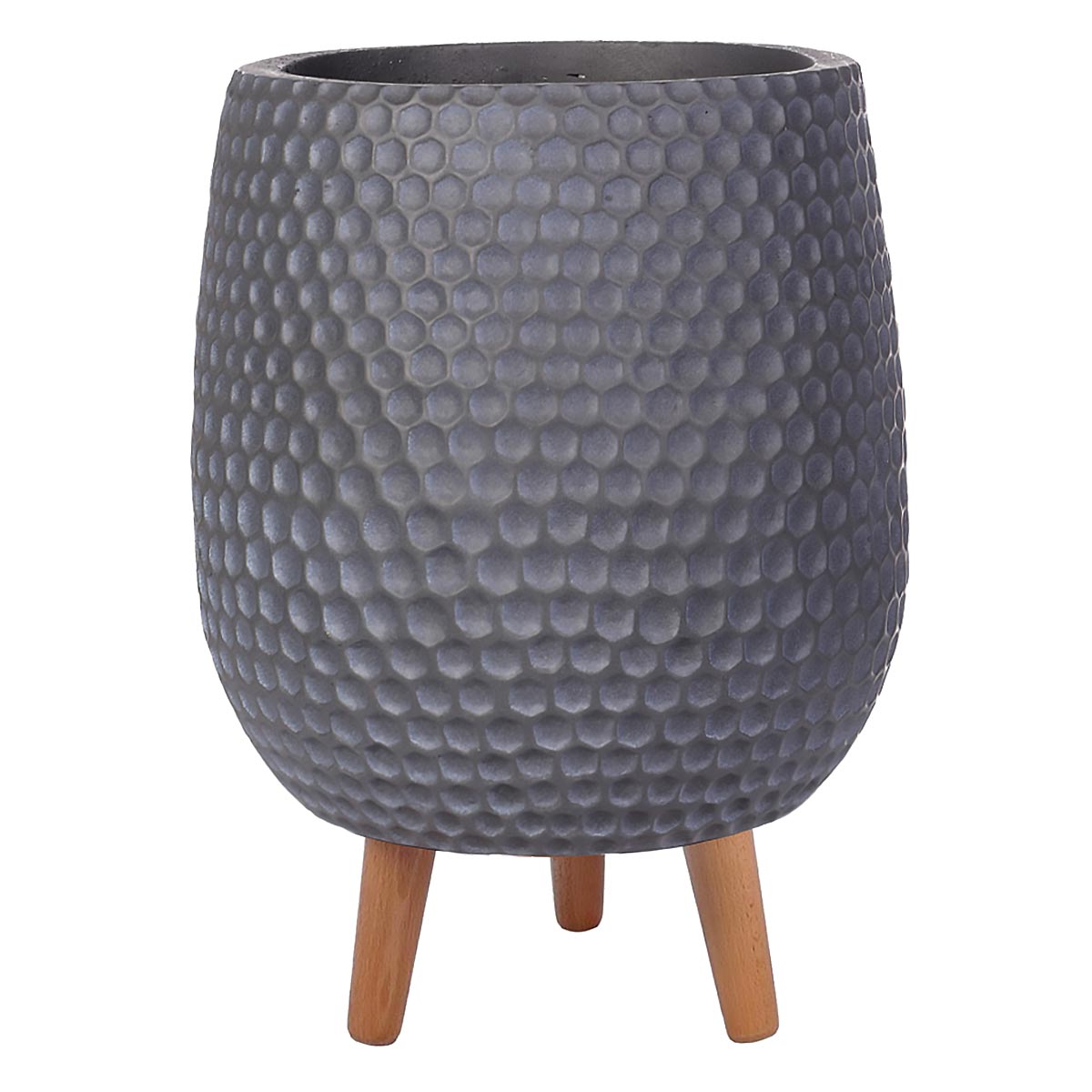
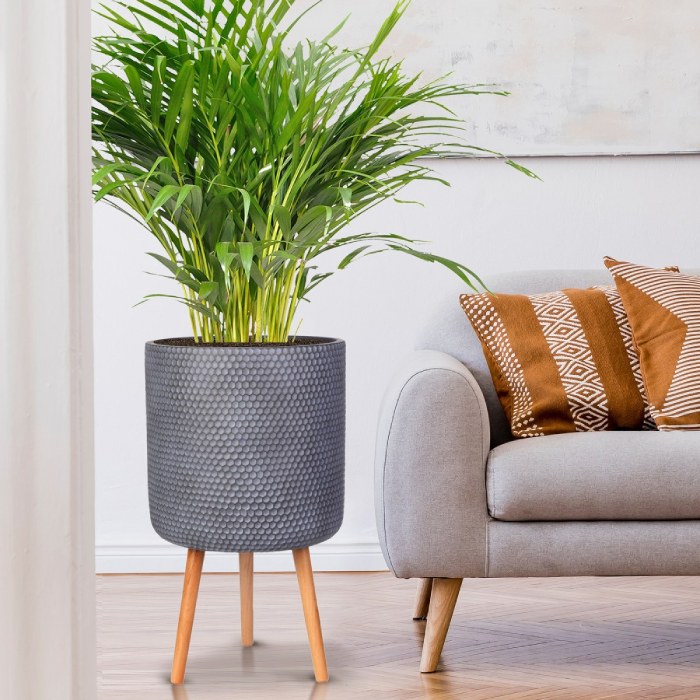
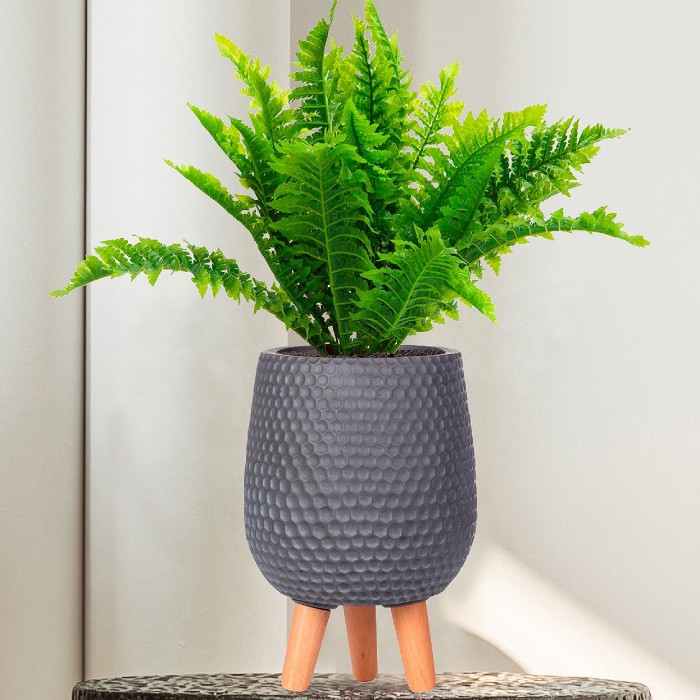
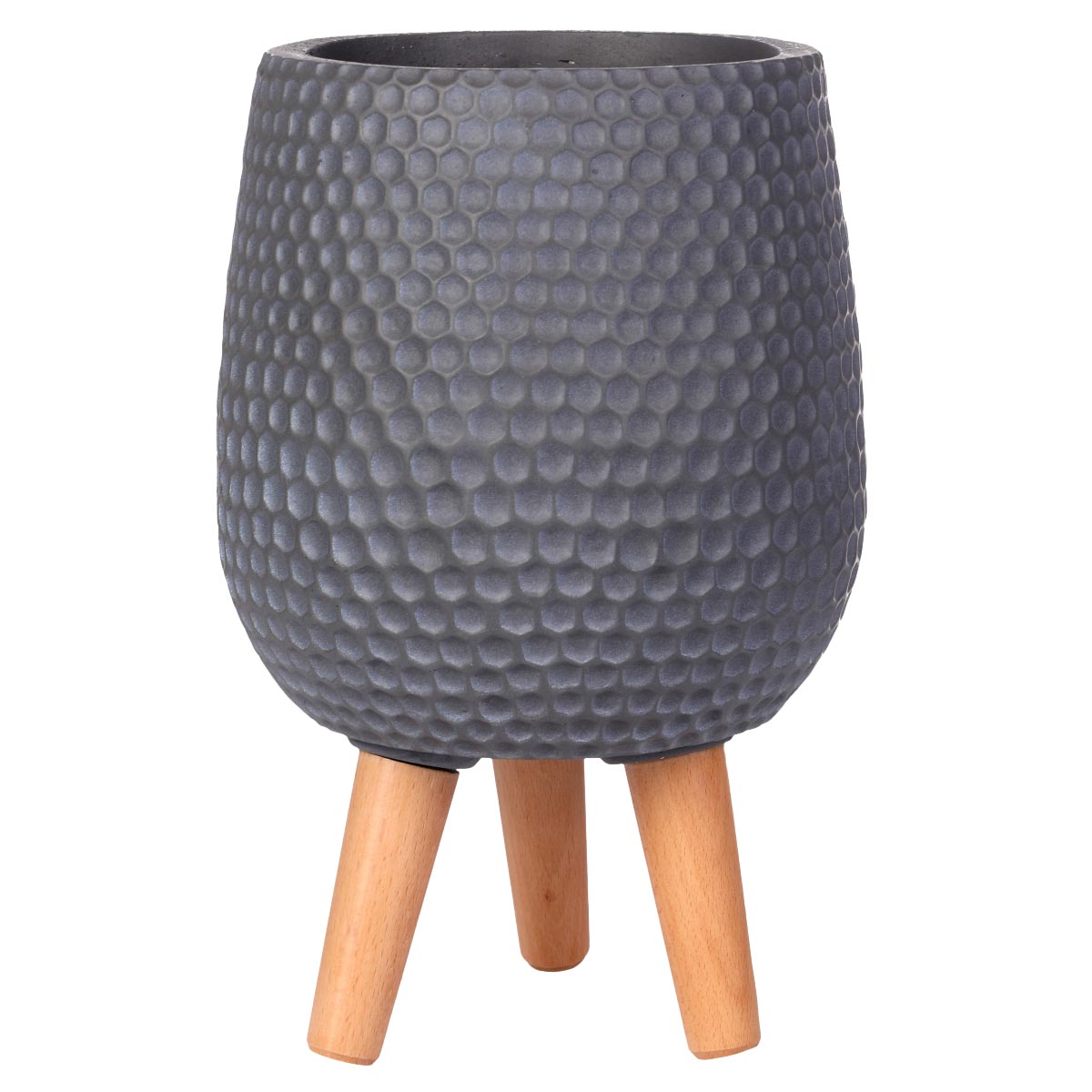
Honeycomb Style Grey Planter on Legs, Round Indoor Plant Pot D27 H47 cm, 19.8 ltrs Cap.
In stockFree UK Delivery*Original price was: £73.79.£49.58Current price is: £49.58. -
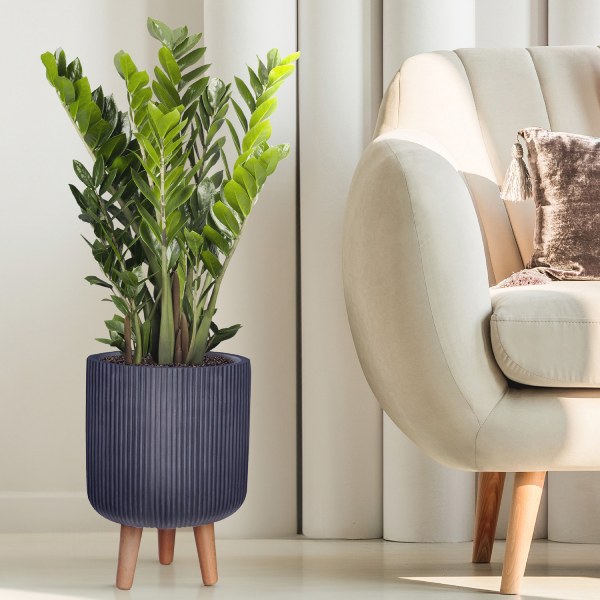
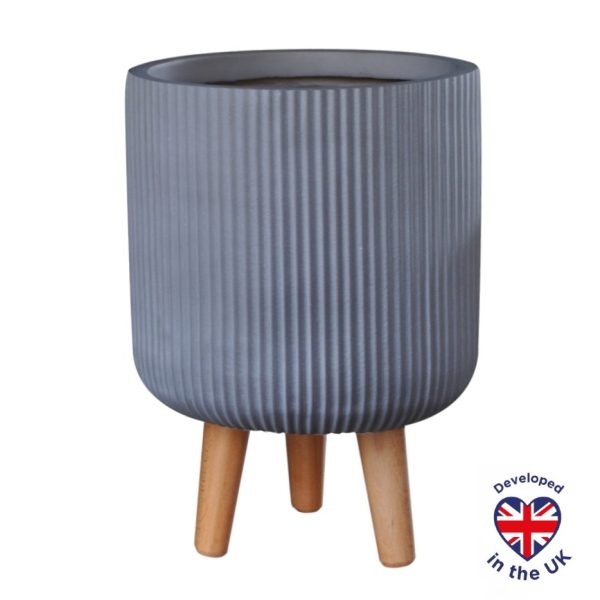
Modern Ribbed Black Planter on Legs, Round Indoor Plant Pot D20 H32 cm, 7.6 ltrs Cap.
In stockFree UK Delivery*Original price was: £42.84.£35.98Current price is: £35.98. -
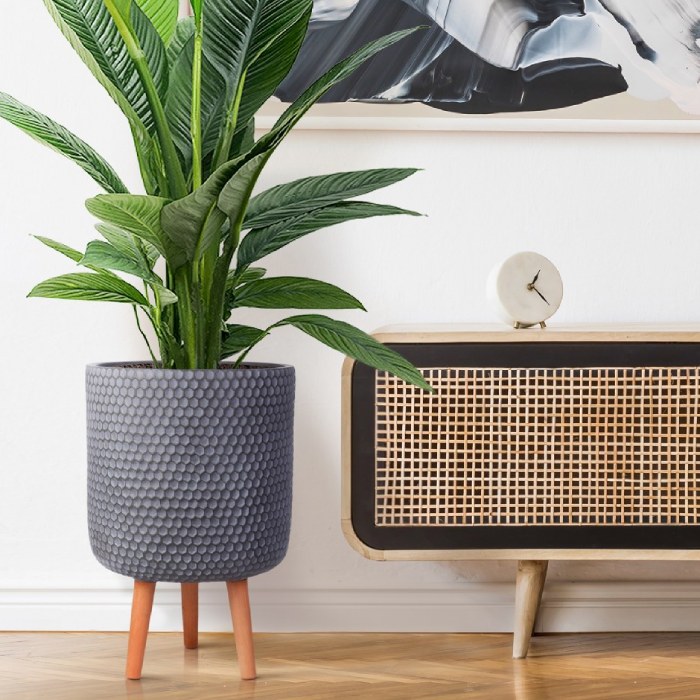
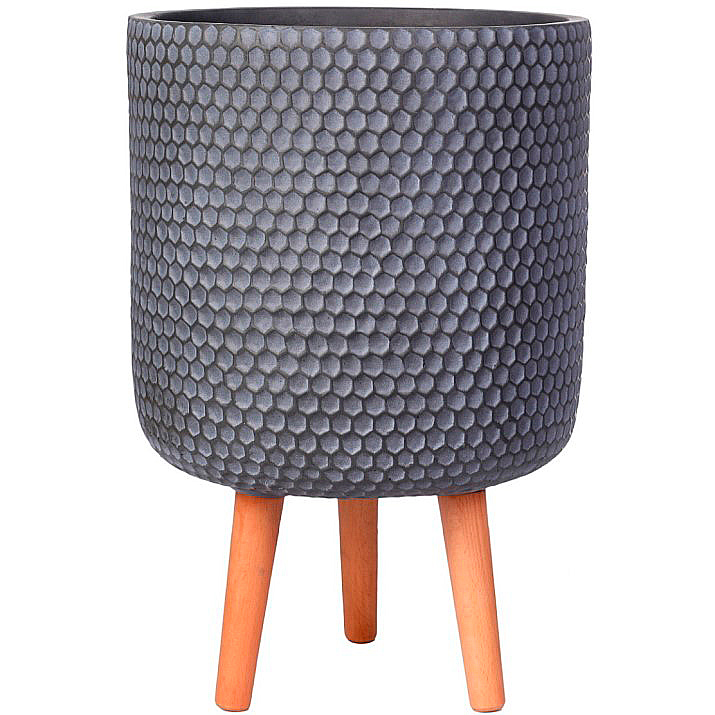
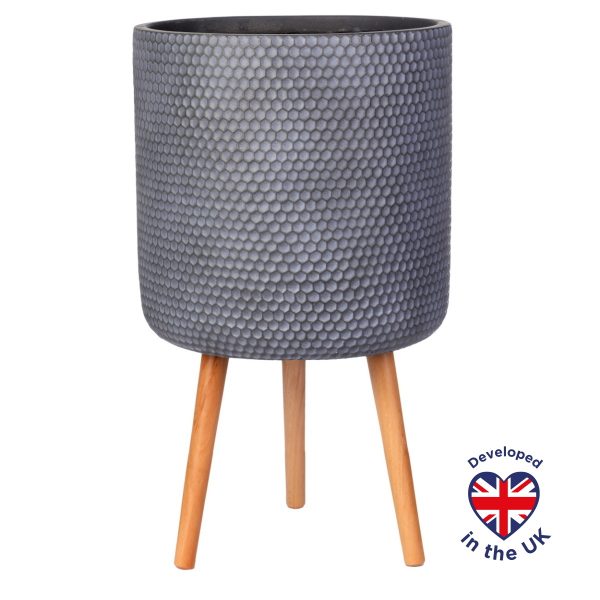
Honeycomb Style Grey Cylinder Planter on Legs, Round Pot Plant Indoor D33 H61 cm, 32.7 ltrs Cap.
In stockFree UK Delivery*Original price was: £114.27.£95.98Current price is: £95.98. -
Ribbed Black Planter on Legs, Round Indoor Plant Pot D21 H36 cm, 10.4 ltrs Cap.
In stockFree UK Delivery*Original price was: £51.18.£42.99Current price is: £42.99. -
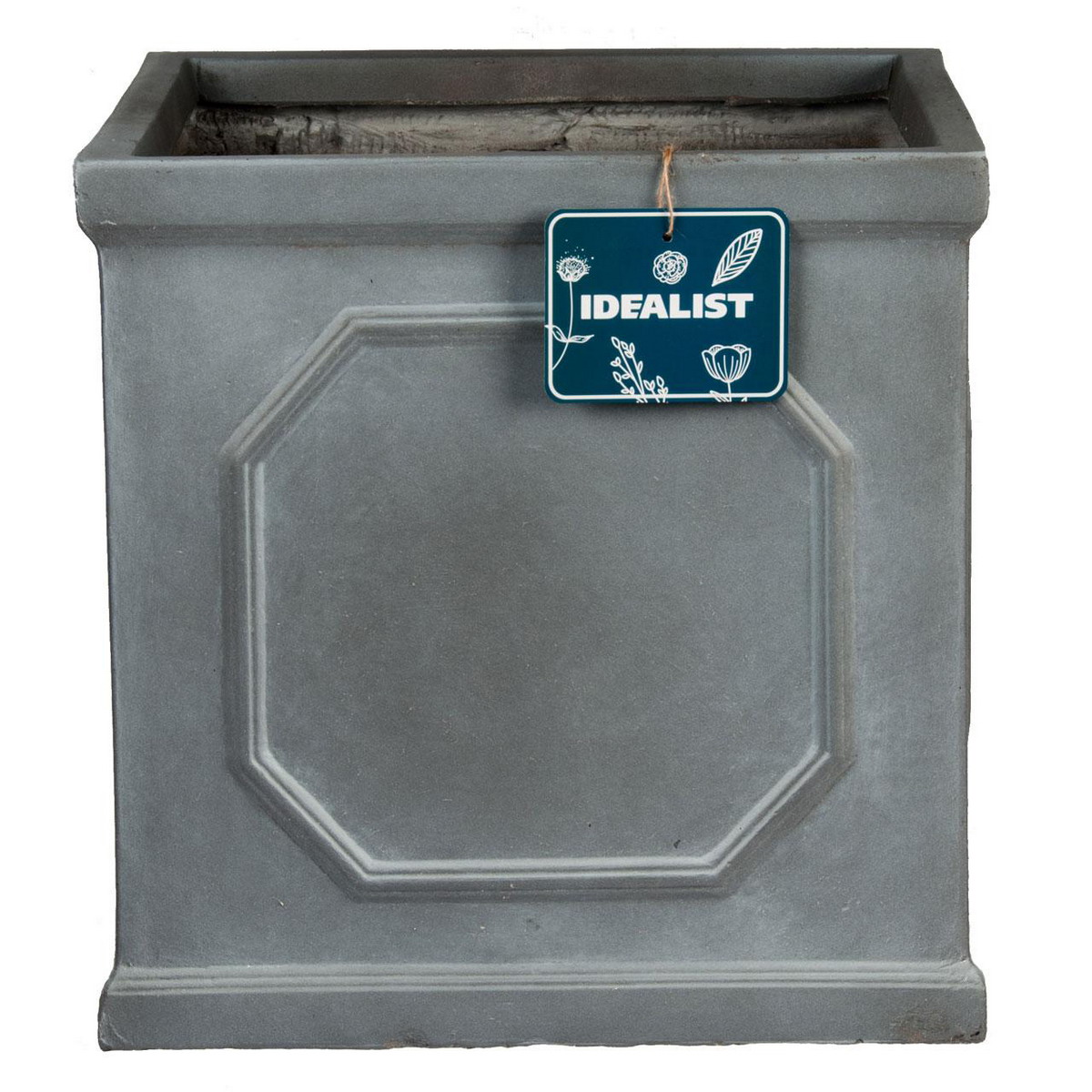
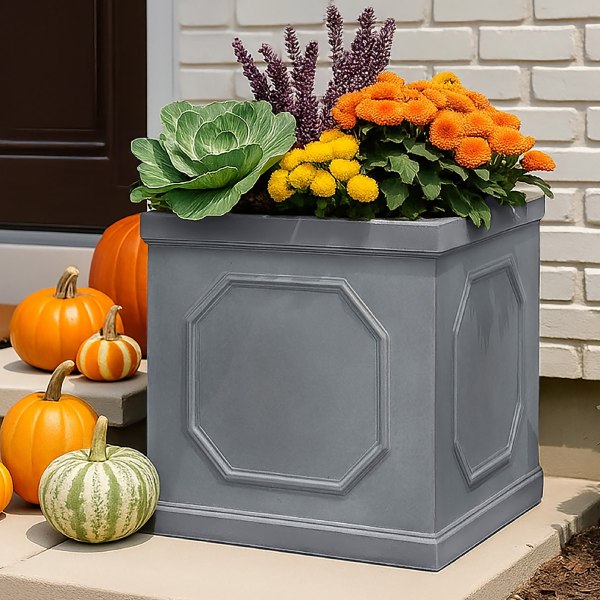
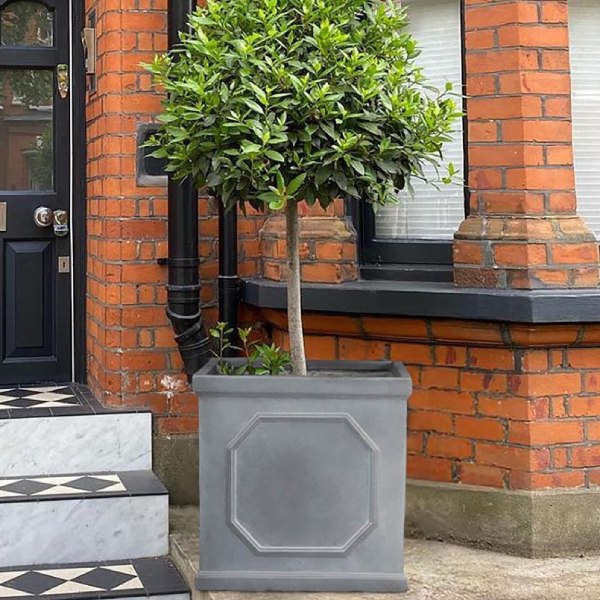
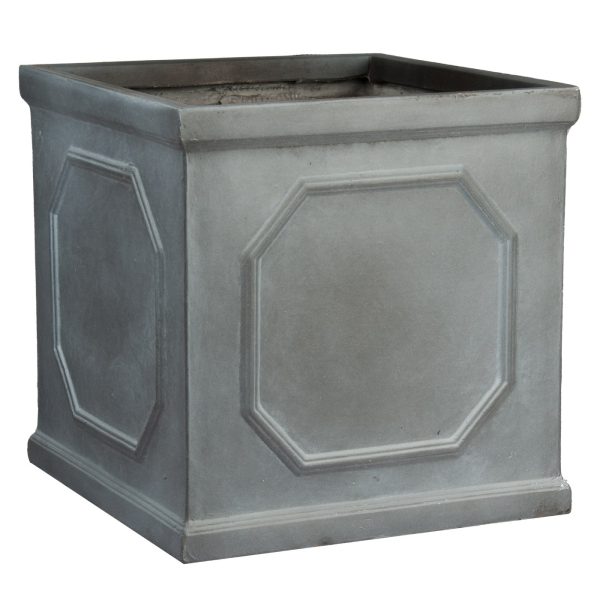
Faux Lead Regency Box Square Grey Light Stone Garden Planter W43 H45 L43 cm, 83 ltrs Cap.
In stockFree UK Delivery*Original price was: £107.12.£76.48Current price is: £76.48. -
In stockFree UK Delivery*Original price was: £44.03.£36.98Current price is: £36.98.
-
Window Box Textured Concrete Effect Grey Outdoor Garden Planter L70 W22.5 H23.5 cm, 37 ltrs Cap.
In stockFree UK Delivery*Original price was: £94.04.£78.99Current price is: £78.99. -
PURE Cube Black-Grey Fibreglass Outdoor Square Large Planter, H70 L70 W70 cm, 343 ltrs Cap.
In stockFree UK Delivery*Original price was: £566.39.£479.99Current price is: £479.99. -
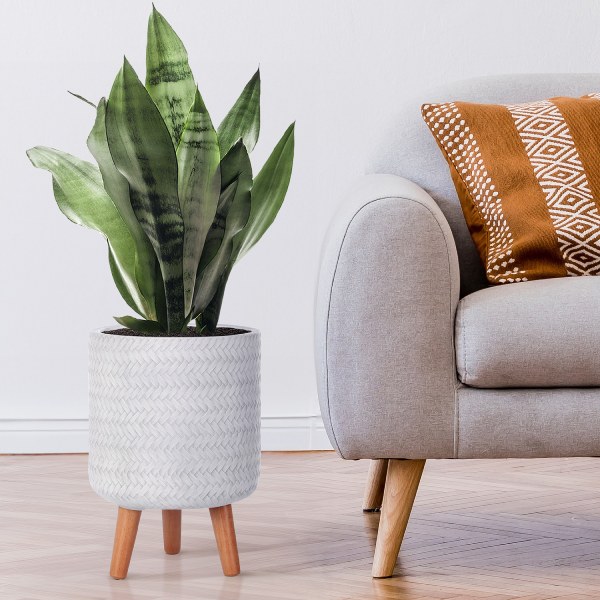
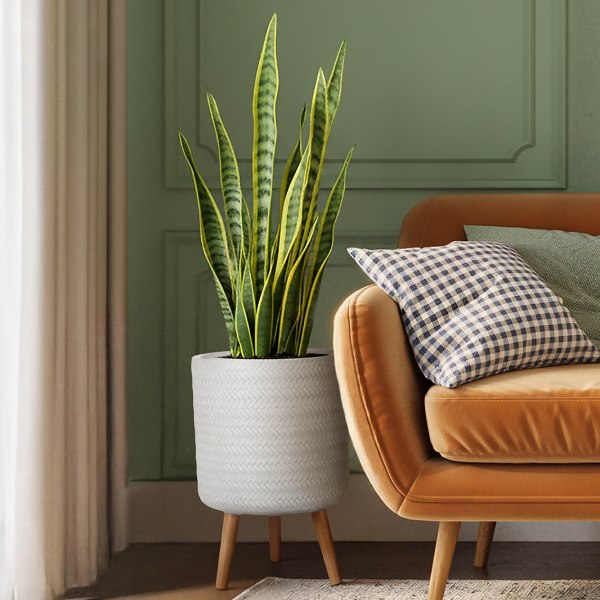
Plaited Style White Planter on Legs ,Round Indoor Plant Pot D26 H46 cm, 17.9 ltrs Cap.
In stockFree UK Delivery*Original price was: £77.37.£64.99Current price is: £64.99. -
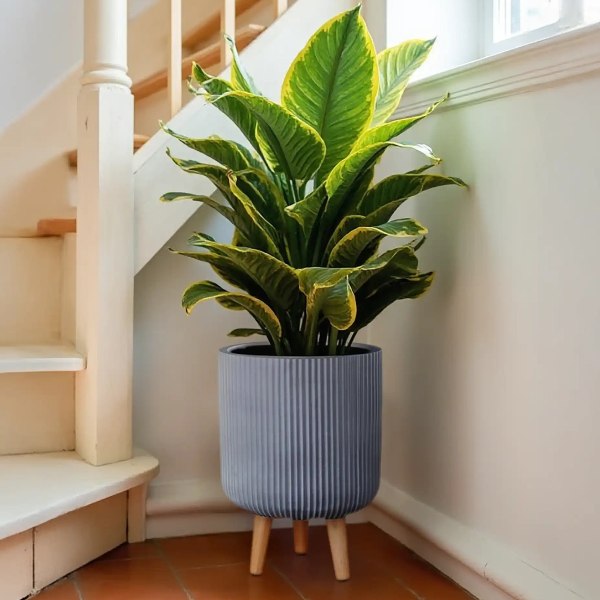
Ribbed Grey Planter on Legs, Round Indoor Plant Pot D21 H36 cm, 10.4 ltrs Cap.
In stockFree UK Delivery*Original price was: £51.18.£42.99Current price is: £42.99. -
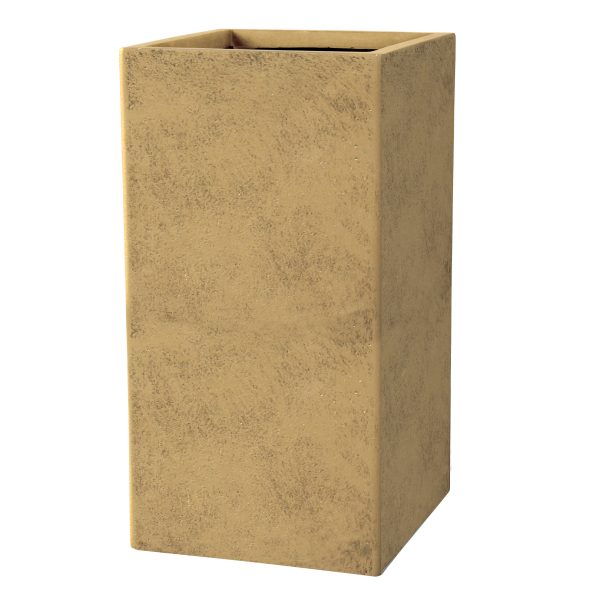
Tall Square Planter, Gold Light Concrete Indoor Plant Pot H60 L27 W27 cm, 33 ltrs Cap.
In stockFree UK Delivery*Original price was: £78.55.£65.98Current price is: £65.98. -
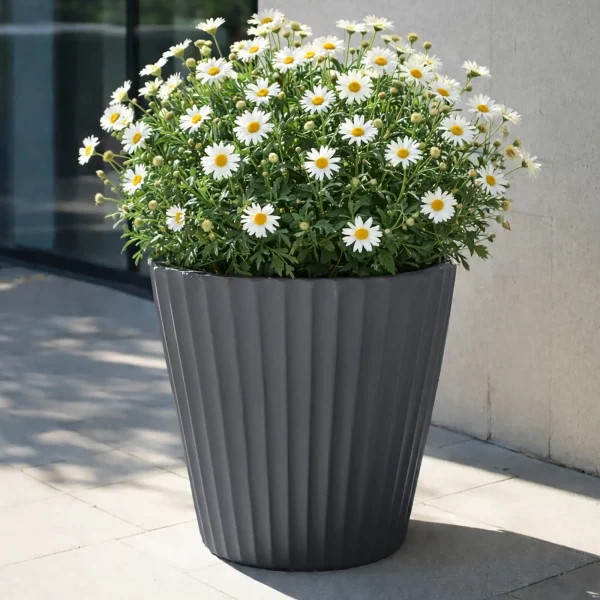
Vintage Black Ribbed Round Vase Outdoor Garden Planter D37 H35 cm, 37 ltrs Cap.
In stockFree UK Delivery*Original price was: £67.85.£56.99Current price is: £56.99.